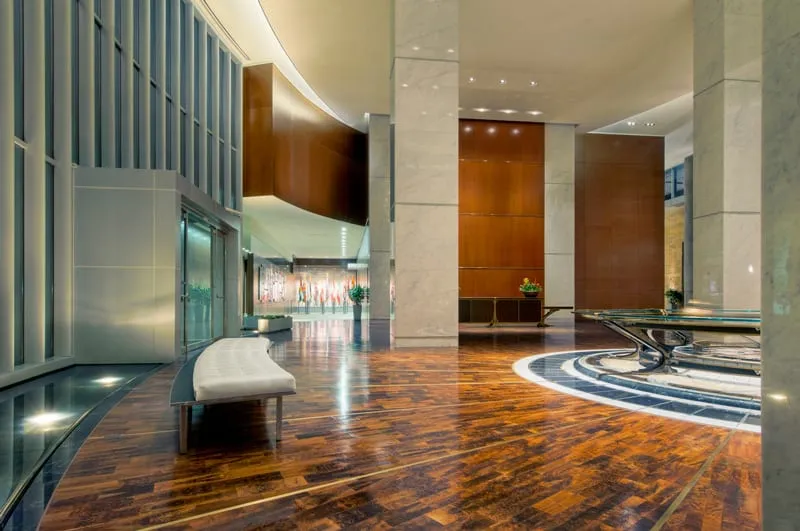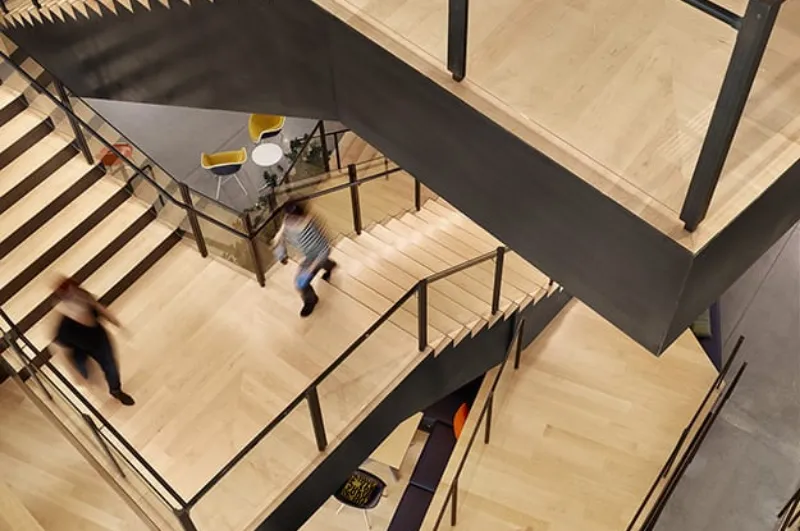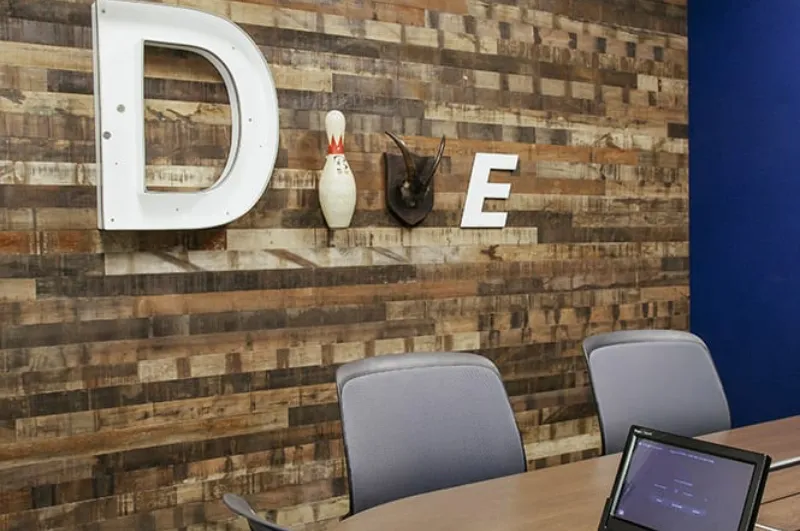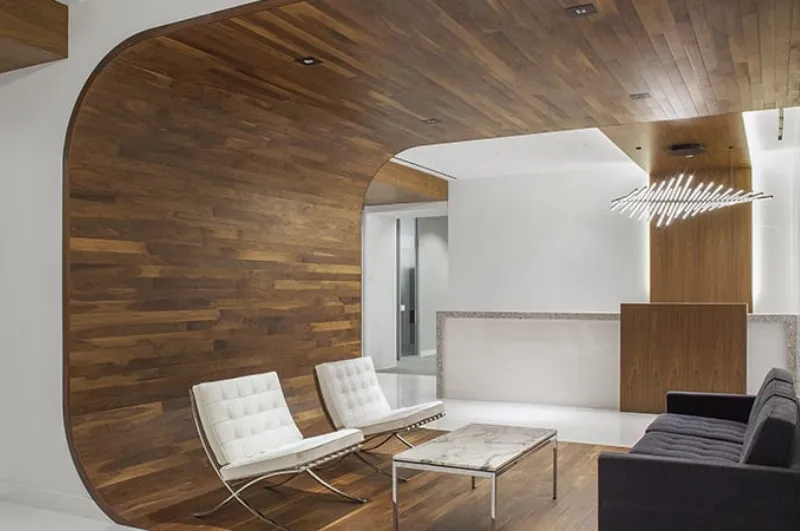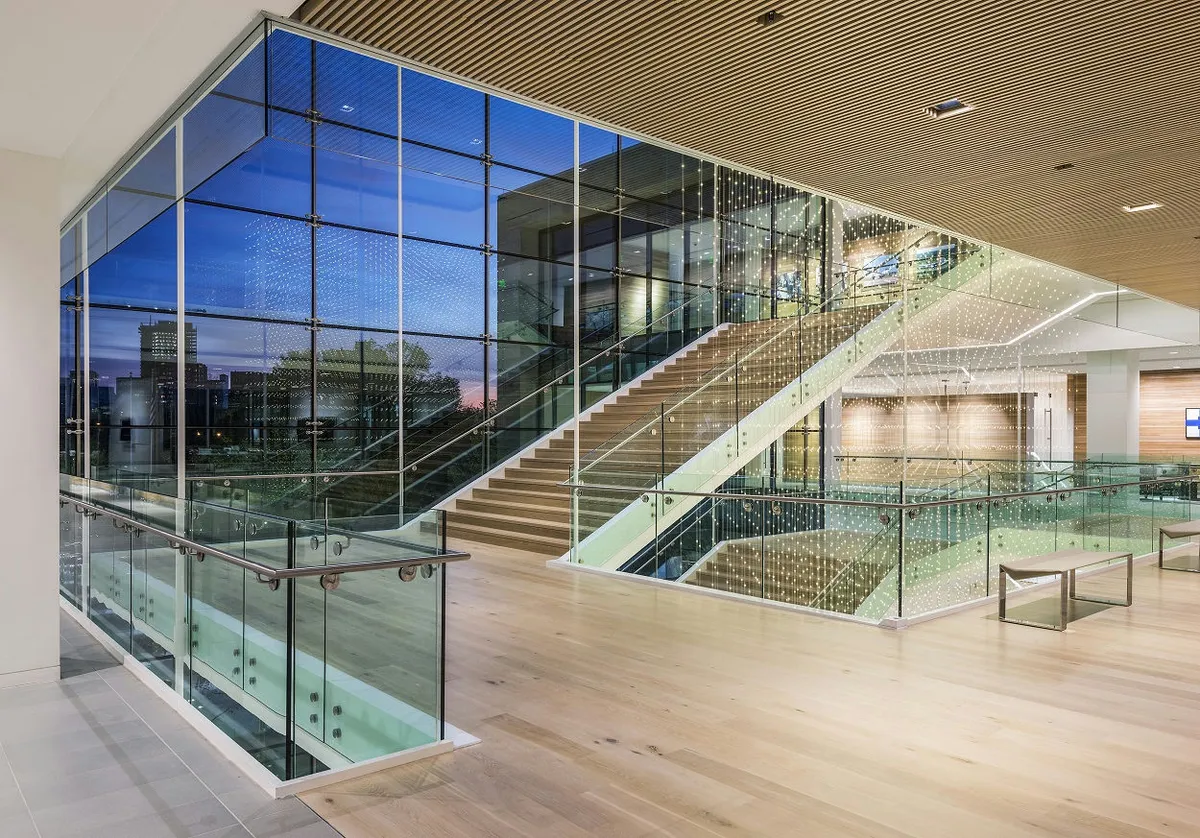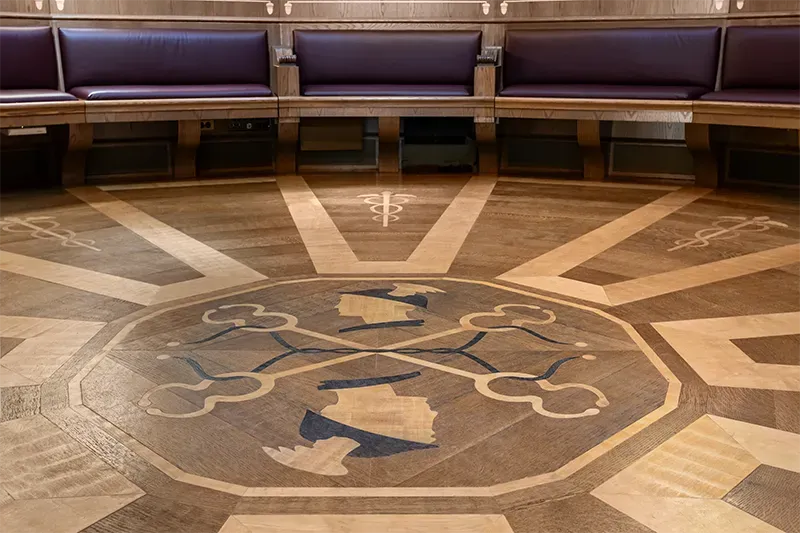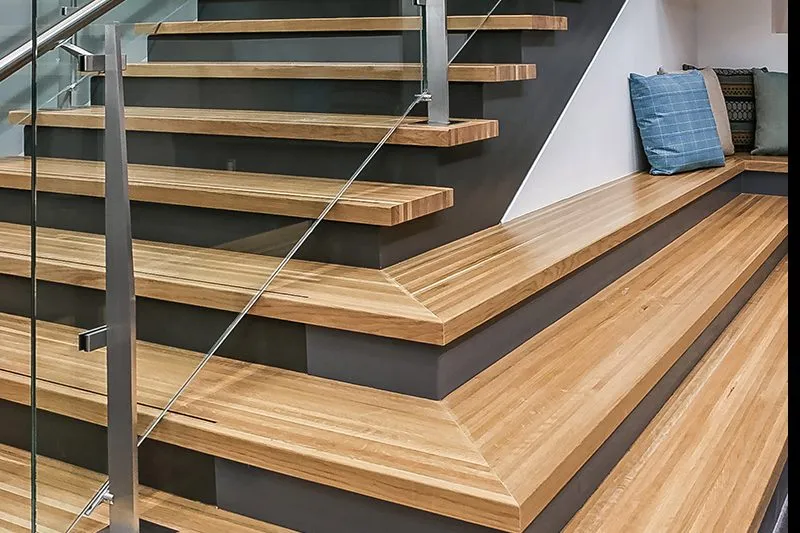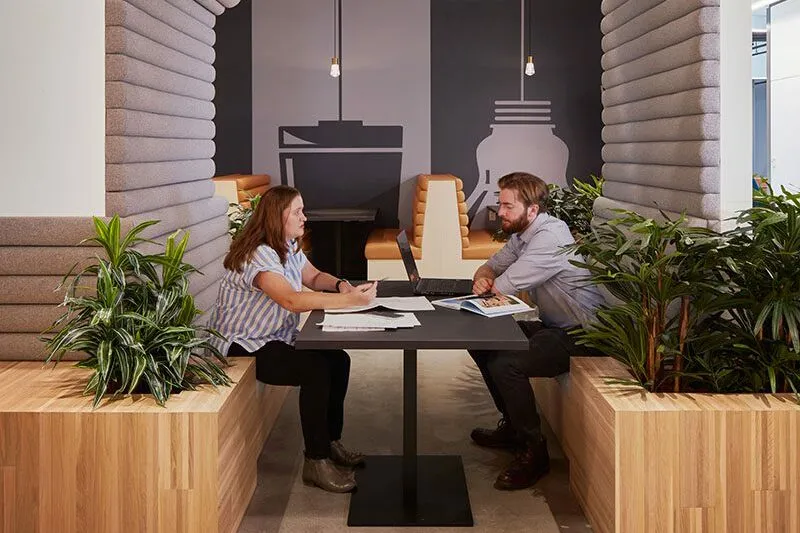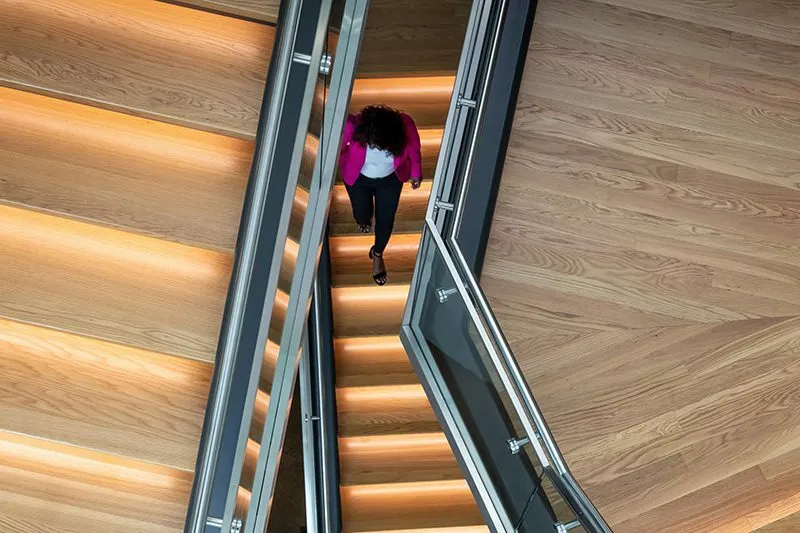
Specifying materials for high-traffic commercial projects usually feels like a tug-of-war between aesthetics and durability. Corporate offices, hospitality hubs, and busy higher education environments take an absolute beating from moving furniture and constant footfall. When a project demands a material that balances high-end design with structural ruggedness, Hickory/Pecan wood stands out as an exceptional choice.
This article breaks down how this high-density material handles intense wear. We’ll also go over the other characteristics that make it great for high-traffic areas.
The Technical Edge: Long-Term Wearability of Hickory/Pecan Wood
When evaluating how a floor plate survives in heavy commercial use, wearability is the first major obstacle. High-volume foot traffic acts like non-stop sandpaper, grinding tracked-in grit, dust, and debris across the flooring. For spaces facing this relentless surface scraping, specifying Hickory/Pecan wood provides an exceptionally tough surface layer that shields the installation from premature wear.
This impressive performance stems from the material’s 1820 Janka Hardness rating, which is one of the highest ratings for domestic hardwoods commonly used for wood flooring. This hardness level targets surface-level friction through two key mechanics:
- Dent and Impact Resistance: The high density of the wood fibers primarily functions to absorb high-point pressure, effectively withstanding deep impacts from heavy footfall, such as high-heel traffic.
- Enhanced Wearability: While scratch resistance is determined by the performance of the applied finish, the natural hardness of the wood provides a stable foundation that supports long-term performance. When paired with a high-performance commercial finish and the species' color variation, this structural density ensures the floor maintains its visual integrity over time by naturally masking daily wear.
Its open grain structure accepts stain beautifully, helping protective finishes bond deeply with the fiber. When choosing flooring for long-term durability, specifying this high-density option ensures the layout easily stands up to heavy traffic.
Structural Resiliency: Indentation Resistance
Scuffing and scratches aside, constant pressure is what tests the strength of a wood floor. Commercial interiors constantly exert intense point-loads, whether from furniture, rolling casters, or heavy footfall. The compact cellular network of Hickory/Pecan wood acts as a structural shock absorber, resisting the intense weight that typically causes softer woods to dent or dimple.

Because the material boasts an incredibly high fiber density, the underlying wood cells resist collapsing under heavy static furniture or sharp dynamic impacts. This structural resiliency creates three distinct performance advantages for the building's maintenance lifecycle:
- Static Load Defense: The dense cell walls support heavy, fixed furniture installations without localized crushing or permanent pocket depressions.
- Prefinish Preservation: Because the wood fibers refuse to flex under pressure, the factory-applied prefinish avoids the micro-cracking and delamination that happens when softer species bend under load.
- Extended Floor Lifecycles: Preventing deep physical gouges means subsequent wood maintenance requires minimal surface sanding rather than aggressive deep grinding, preserving the wear layer for decades.
Specifying a material with this level of structural integrity ensures your design remains flat, crisp, and completely level over its operational lifespan. When specifying flooring for commercial interiors, prioritizing this level of pressure resistance prevents premature floor failure.
Micro-Wear Camouflage: How Hickory/Pecan Wood Masks Traffic Patterns
Even with extreme hardness, every high-traffic floor plate eventually encounters minor surface scuffs and dust tracking. In uniform, closed-grain woods, these daily markings stand out immediately and create obvious tracking lanes through busy corridors. Choosing Hickory/Pecan wood introduces a natural visual defense system that effortlessly hides these imperfections between routine maintenance cleanings.
This self-concealing ability comes down to the rich character and open grain structure of the species. When implementing Hickory/Pecan wood flooring in architectural design, the unique surface geometry masks daily wear through three distinct visual traits:
- The Calico Effect: A striking, organic mix of creamy sapwood and deep heartwood creates a dynamic contrast that breaks up continuous sightlines.
- Pronounced Open Grain: The strong, multi-directional grain patterns swallow minor surface abrasions that would typically flash under bright commercial lighting.
- Stain Versatility: The wood takes dark stains beautifully, acting as an excellent Walnut substitute that retains an intricate, busy texture to hide tracking lanes.
Whether left natural or stained, this active visual texture ensures that heavy pedestrian traffic patterns simply blend into the background. Your design maintains its premium, high-end look without requiring constant, disruptive cleaning intervals.
Specification Safeguards: Mitigating Environmental Factors
While its extreme density provides massive durability benefits, it also means that atmospheric sensitivity must be managed during the planning stages. High-density hardwoods absorb and release environmental moisture slowly, which can impact width stability if indoor climate conditions fluctuate severely. To successfully deploy Hickory/Pecan wood in environments and climates with higher or lower than average humidity, designers and architects must build specific technical safeguards into their documentation.

Controlling how the material responds to shifting relative humidity requires a strict focus on plank engineering and dimensional limits. Writing these precise constraints into your project specifications ensures the installation remains completely flat and structurally sound over the long haul:
- Specify Engineered Construction: We recommend engineered construction in extreme climates to ensure maximum width stability under shifting atmospheric conditions.
- Enforce Maximum Width Restraints: Limit the engineered planks to a maximum width of 6 inches to minimize physical movement across individual boards.
By addressing these environmental factors during early drafting, you eliminate the risk of cupping or gapping, guaranteeing flawless material performance in any climate.
Make the Most Out of Hickory/Pecan Wood for Your Design
Investing in high-density flooring means protecting your commercial interior against decades of heavy, relentless physical wear. Hickory/Pecan wood provides the structural foundation required to keep challenging layouts looking pristine under continuous pressure and traffic.
With 40 years of industry experience, we specialize in high-quality, made-to-order flooring solutions tailored for rigorous commercial environments. We manufacture and prefinish these materials to meet precise project specifications, ensuring unmatched structural stability under heavy use. Find a representative today to integrate these high-density floors into upcoming commercial builds.