How Much Is Hardwood Flooring in Commercial Projects? Cost Factors Architects Should Consider

​Using hardwood flooring is a great way to elevate the overall look of a commercial design project. However, it can make a big dent on your design budget. After all, predicting exactly how much is hardwood flooring is tricky because the baseline material price is only a fraction of the equation. A realistic budget must account for several variables, moving from initial material selection straight through to final installation.

To help navigate these moving targets, this article breaks down the essential cost factors so design professionals can accurately calculate a project budget.

The Baseline: How Much is Hardwood Flooring

According to the latest data from Bankrate, the average cost to install hardwood flooring spans from $6 to $25 per square foot, taking into account basic materials and professional labor. This wide range highlights just how significantly the baseline pricing shifts before factoring in any specialized project conditions.

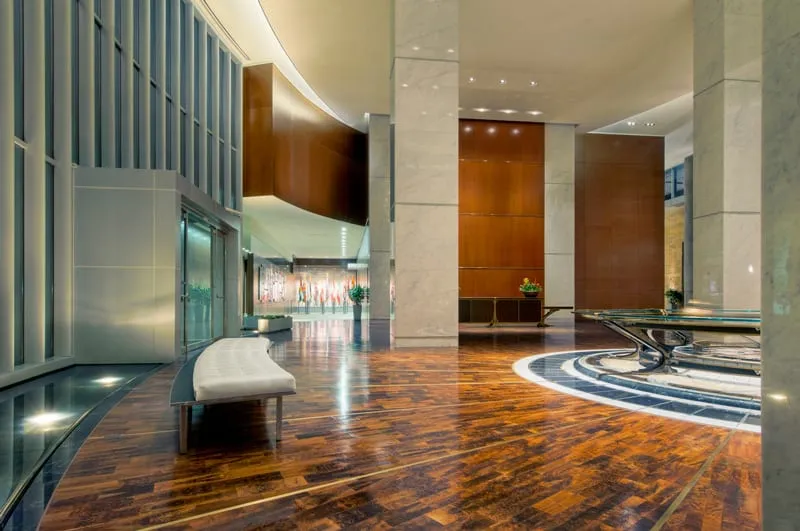
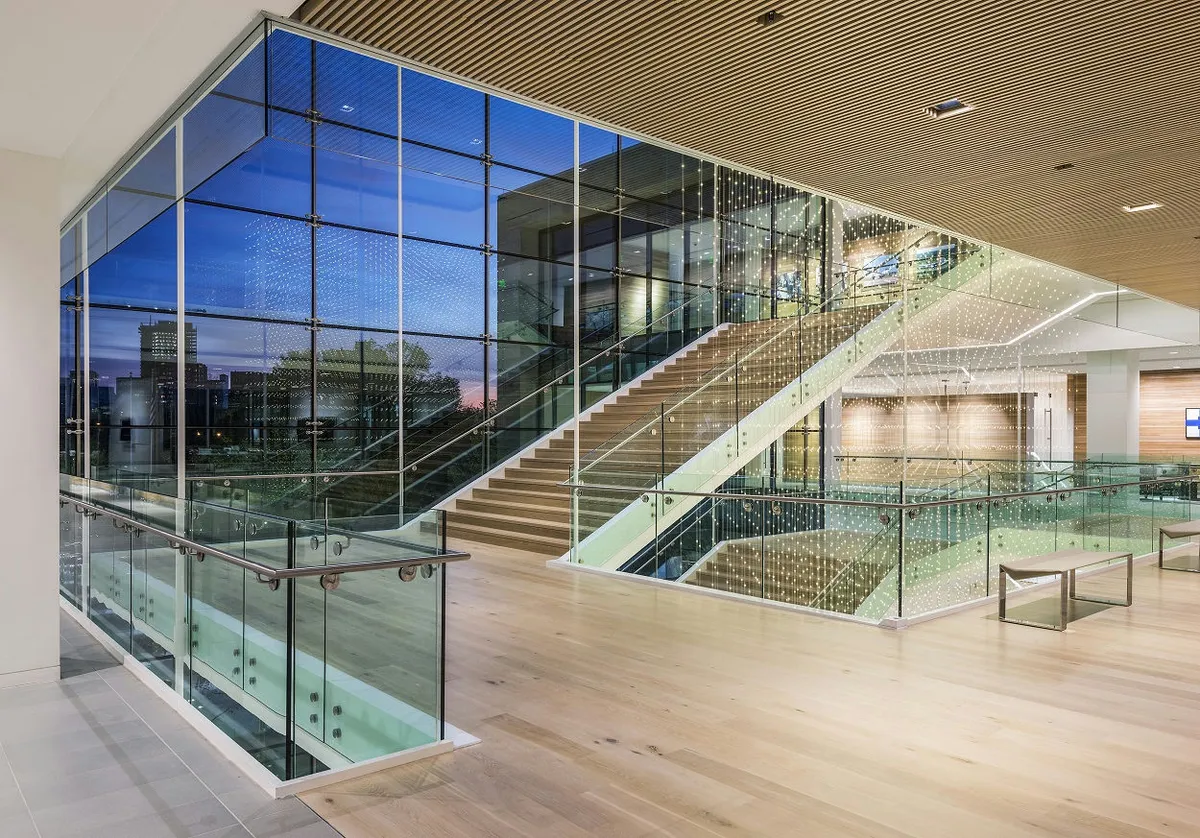
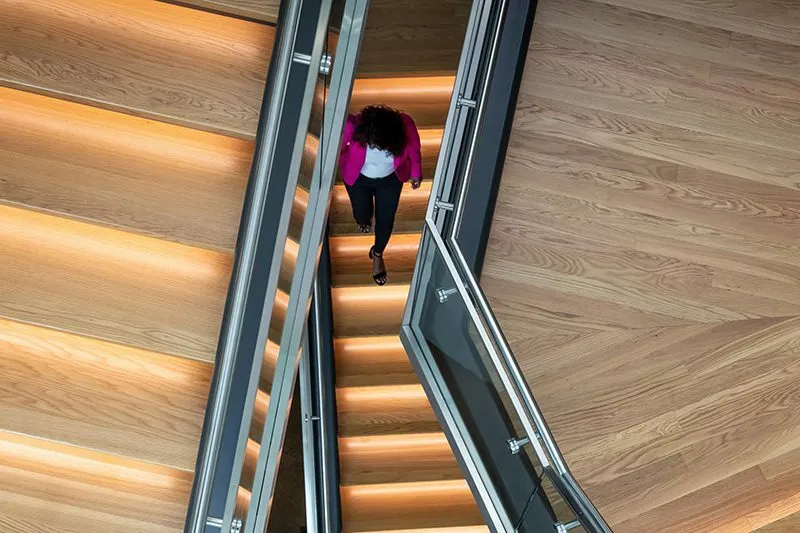
This photo features a plaza lounge that uses hardwood flooring
Energy Plaza at Dallas, TX | Livesawn American White Oak Flooring

Determining exactly how much is hardwood flooring for a high-traffic retail, hospitality, or corporate interior requires looking past residential benchmarks. True commercial-grade project expenses vary based on whether you specify solid wood or engineered planks, alongside your selected wood species.

To give you a better idea on how much to budget for materials for commercial projects, below we provide a breakdown of the average costs at Woodwright.

Cost Breakdown by Construction Type

  • Solid Hardwood: Solid planks run between $15 and $35 per square foot. They require a plywood subfloor over concrete slabs, which drives up labor and material expenses.
  • Engineered Hardwood: Engineered planks run between $14 and $30 per square foot. They can be direct-glued to concrete, reducing structural build-up costs while providing superior width stability.
  • Prefinished Hardwood: Factory prefinished hardwood costs around $9 to $22 per square foot, depending on customization. However, it completely eliminates the time and expense of site-applied sand and finish coatings.
Type of Hardwood Average Cost (per Square Foot)
Solid Hardwood $15 – $35
Engineered Hardwood $14 – $30
Prefinished Hardwood $9 – $22

Cost Breakdown by Wood Species

While analyzing how much is hardwood flooring, keep in mind that the following figures reflect the average cost of our products at Woodwright. The prices below are based on quality prefinished, 5/8", Select grade, Plain Sawn engineered materials. Costs may vary based on the requested cut, grade, plank width, wear layer, and quantity.

Moreover, specifying alternative or exotic wood species will naturally introduce different material costs and procurement timelines to the project baseline.

  • Maple: Ranging from $10 to $16 per square foot, Maple offers a subtle grain and exceptional hardness. It creates a smooth, minimalist mood that handles high-traffic demands effortlessly.
  • Red Oak: Pricing between $9 and $14 per square foot, Red Oak features prominent graining and warm undertones. It delivers incredible durability and stains beautifully across massive planes.
  • White Oak: Costing $11 to $17 per square foot, White Oak presents cooler undertones and a straight, clean grain. It acts as a quiet canvas and remains easily one of the best choices for modern spaces.
  • Pecan/Hickory: Ranging from $9 to $15 per square foot, Pecan/Hickory is an incredibly dense wood with intense natural color variations. It provides maximum dent resistance for intense commercial traffic.
Type of Wood Average Cost (per Square Foot)
Maple $10 – $16
Red Oak $9 – $14
White Oak $11 – $17
Pecan/Hickory $9 – $15

Hardwood Flooring Cost Factors: From Material Selection to Installation

Aside from the baseline pricing, calculating how much is hardwood flooring for a commercial interior requires analyzing everything that happens after procurement. Rigid technical demands and site realities heavily shape the path to a finished space. Anticipating these variables early is easily the best way to protect design intent and keep a project on budget.

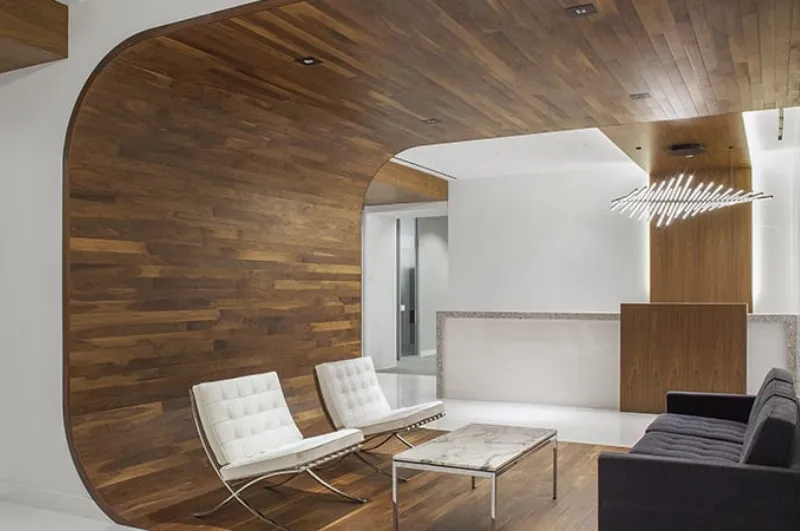
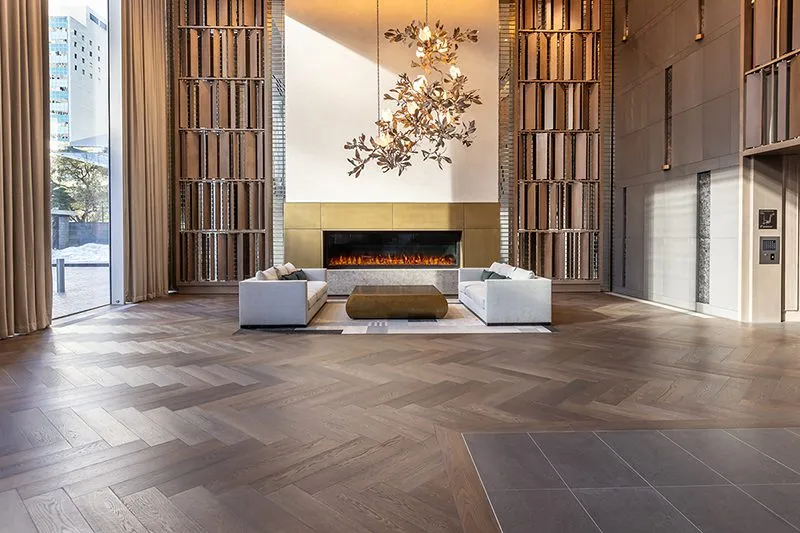
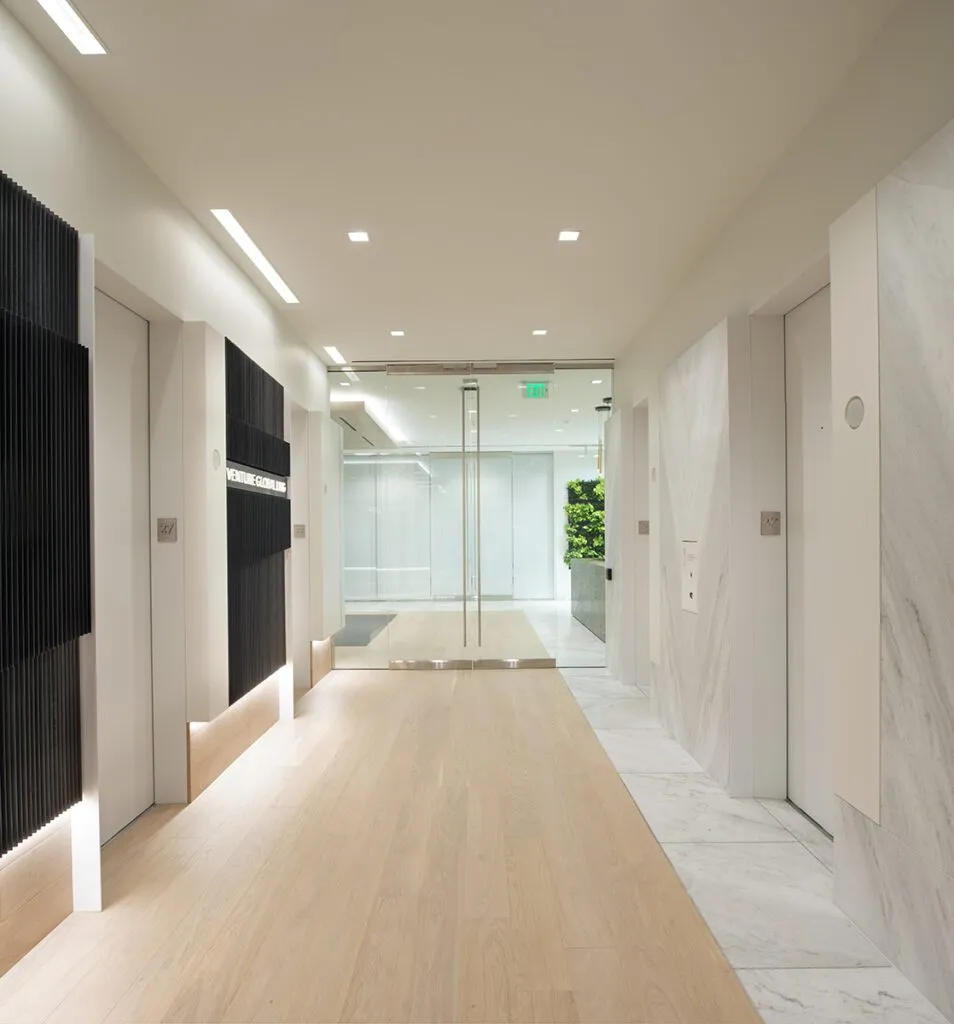
This photo features a corporate reception desk with hardwood flooring
NTT Data at Plano, TX | White Oak Flooring

Job Site Preparation

Initial site preparation can quickly alter the bottom line. Several critical subfloor and labor factors must be accounted for before installation begins:

  • Proper Floor Preparation: Concrete slabs must be flattened with cement-based levelers to National Wood Flooring Association (NWFA) tolerances, commonly ⅛” in 8’. Cheap latex levelers are unacceptable and void most wood floor warranties.
  • Managing Moisture Risk: Substrates require moisture testing to keep warranties intact. Specifying a moisture barrier allowance early avoids expensive, last-minute change orders when fast-tracked slabs cannot be tested until right before installation.
  • Acoustical Underlayments: Gluing down sound pads or screeds requires extra time and full-spread adhesive. Direct-gluing engineered wood over concrete eliminates thick plywood subfloors, helping minimize elevation changes across massive planes.
  • Demolition and Logistics: Renovation projects must account for the cost of removing existing floors. Additionally, clearing the space by moving furniture typically adds a commercial labor rate of around $60 per hour.

Flooring Wear Layers

The engineering of the plank itself serves as a major cost driver. The thickness of the top wear layer dictates the material price because it represents the actual, usable premium wood portion. Selecting the right profile requires weighing the initial budget against the required performance lifecycle:

  • Long-Term Refinishing Lifespan: A ¾” engineered profile featuring a 6mm wear layer provides equivalent sanding life to a traditional solid wood floor. This setup can be refinished 4 to 5 times, delivering maximum long-term asset value alongside superior width stability. A quality 5/8-inch × 4 mm wear-layer engineered floor can typically be resanded 3–4 times over its lifespan.
  • Commodity Volume Options: Thinner-profile engineered floors measuring 3/8" to 5/8" often carry wear layers ranging from 3 mm down to a thin veneer. While these products have their place in the market, they offer limited long-term value.

Project Scale and the Premium on Small Footprints

Project scale creates an inverse relationship between square footage and how much is hardwood flooring per unit. Installations under 800 square feet almost always incur a premium installation rate because mobilization costs and specialized crew overhead remain fixed.

When dealing with a small footprint, skilled labor cannot be utilized efficiently on site. Consequently, these micro-zones require a higher budgetary cushion compared to sprawling, open layouts.

Logistics, Scheduling, and Manpower

When calculating how much is hardwood flooring, keep in mind that raw material costs are almost always exclusive of professional installation labor. Navigating tight commercial timelines and labor allocation requires accounting for a few distinct logistical variables:

  • Standard Labor Costs: Professional “basic installation only” rates on commercial projects can vary greatly from $5 to $15 per square foot. This baseline rate fluctuates based on local labor markets and the complexity of the laying pattern.
  • The Timeline Crunch: Flooring is usually the final finish installed, meaning scheduling delays from previous trades often squeeze the wood contractor. Rushing the process can often violate NWFA guidelines, potentially voiding the manufacturer's warranty or triggering change orders for unexpected overtime to stay on schedule.
  • Renovation Overheads: Transforming an occupied space rather than new construction introduces extra logistical expenses. For instance, clearing the workspace by moving existing furniture typically bills at a commercial labor rate of around $60 per hour.

Safety and Sustainability Requirements

Incorporate compliance and regulatory standards early when evaluating how much is hardwood flooring. Commercial job sites demand specialized administrative and material protocols that directly impact the total installation contract:

  • GC Safety Programs: Compliance with rigorous General Contractor (GC) safety programs often requires additional administrative time, specialized site testing, and safety equipment, adding to the labor overhead.
  • Sustainability and Sourcing: Meeting strict environmental and sustainability requirements can impact product availability and require meticulous documentation, which can affect upfront material costs.
  • Project Location: Regional site logistics, localized labor regulations, and strict building access requirements can introduce unexpected freight and handling fees to the baseline budget.

An End-to-End Flooring Manufacturer You Can Trust

Calculating how much is hardwood flooring for a commercial project requires looking far beyond basic material cost to understand every site and design variable.

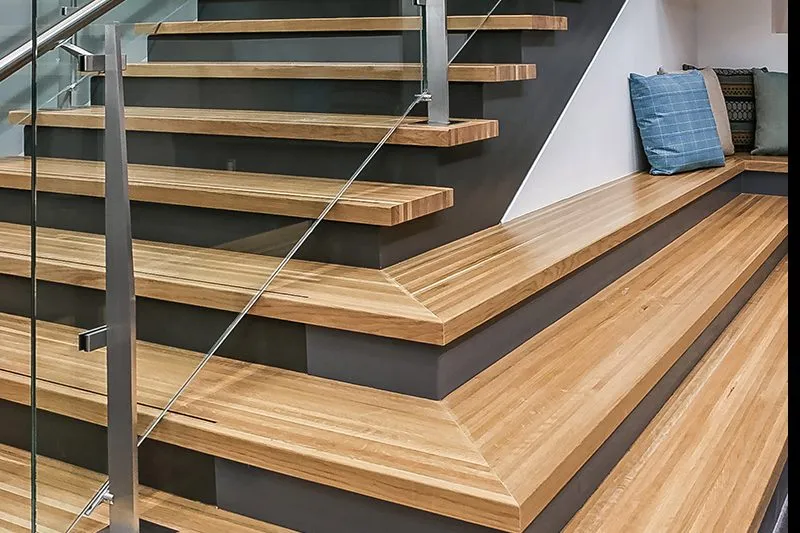
At Woodwright, we streamline this entire budgeting process by providing made-to-order, project-specific flooring and matching stair treads engineered to withstand intense traffic. We also eliminate the risk of unexpected change orders by providing full-service installation and expert subfloor prep across the Dallas/Fort Worth metroplex.

Find a representative for your next specification to ensure a cohesive, flawlessly executed finish from baseline budget to final handover.