

Red Oak wood flooring is a familiar, widely used residential staple, but it is increasingly being rediscovered by commercial designers and architects as a high-value, cost-effective alternative to White Oak. Its inherent warmth and distinct grain character offer a grounded, human-centric aesthetic that balances the sterile feel of many modern commercial environments.
By rethinking how this classic species is specified and finished, designers and architects can create enduring interiors without compromising on budget. This article explores strategic methods for integrating this wood species into corporate and hospitality projects, covering color coordination, material pairings, and the benefits of unified, made-to-order components.
Embracing Red Oak Wood’s Warm Palette
Red Oak is celebrated for its prominent, open grain and warm, salmon-hued undertones that bring a sense of organic life to any interior. This species offers a distinct visual texture that feels far more approachable and less clinical than many modern alternatives.
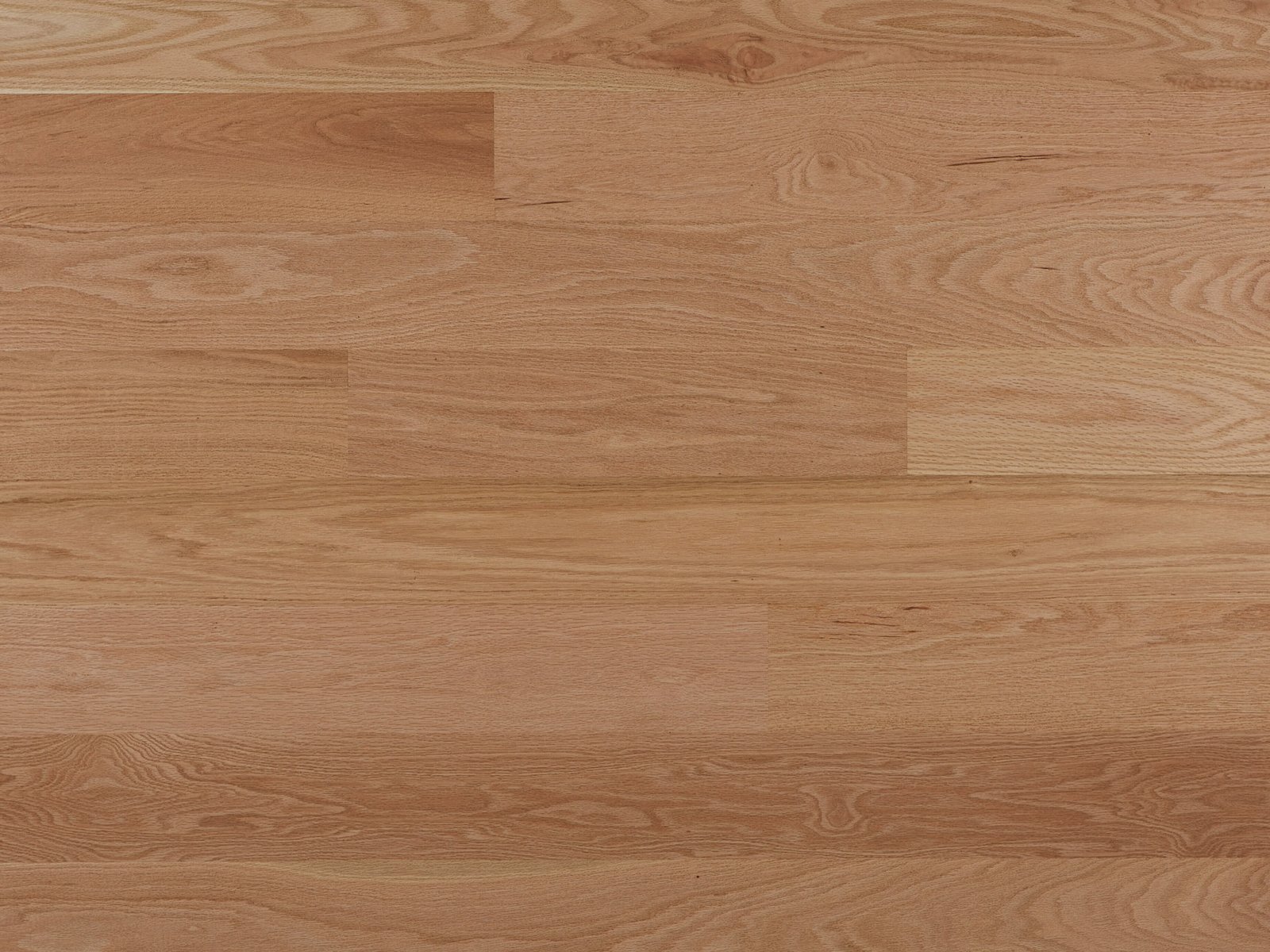
However, its strong natural color palette can present a unique challenge for designers and architects who prefer a neutral or monochromatic backdrop. Because the wood carries such a decided warmth, it demands a deliberate approach to ensure the final space feels intentional rather than accidental.
To successfully embrace the character of red oak wood flooring, consider these strategies:
- Maximize the grain visibility by specifying rift or quarter-sawn cuts, which create a more linear, refined look that highlights the wood structure.
- Utilize wide planks to reduce the number of seams, allowing the natural grain pattern to flow across the floor as a continuous, sculptural feature.
- Feature the wood in areas that invite a tactile experience, such as lounge seating areas or executive zones, where its warmth enhances the comfort of the space.
- Incorporate light-enhancing finishes that protect the wood surface while allowing the natural amber tones to glow under ambient artificial lighting.
Coordinating Design Elements with Red Oak Wood Flooring
Coordinating design elements with red oak wood flooring means ensuring that the wood's inherent color tones harmonize with the surrounding furniture, textiles, and architectural features.
The primary challenge for designers and architects is the wood's distinct salmon or pinkish warmth, which can clash with cool, stark, or overly grey-toned palettes if not balanced correctly. Without a strategic approach, these undertones can make other materials appear discordant, creating a visual disconnect in a high-end commercial space.
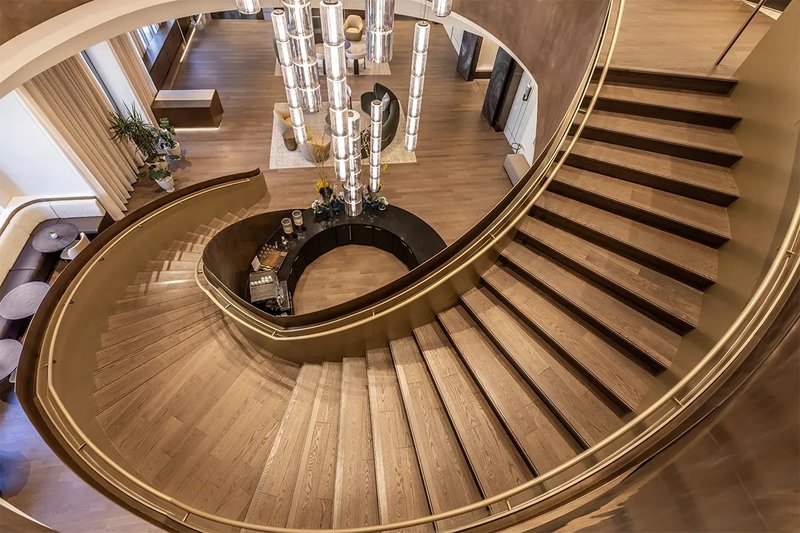
To create a cohesive interior environment around this classic floor choice, consider these strategies:
- Embrace Complementary Tones. Implement a complementary color palette using blue-green accents or deep navy textiles to visually balance the natural warmth of the wood.
- Lean Into Analogous Schemes. Use rich, earthy tones like burnt orange, tan, or leather, which lean into the warmth of the wood rather than fighting against it.
- Provide Neutral Anchors. Select crisp, bright whites for walls and trim to provide a clean, modern canvas that makes the floor appear as an intentional, warm feature rather than a color mismatch.
- Ground with High-Contrast Metals. Integrate charcoal grey or black metal hardware to ground the space and prevent the salmon tones from feeling dated or overwhelming.
Pairing Red Oak Wood Flooring with Contrasting Materials
Pairing red oak wood flooring with contrasting textures and materials is a powerful strategy for highlighting its natural beauty. By juxtaposing the organic, open-grain warmth of the wood with sleek, manufactured surfaces, designers can create a dynamic tension that keeps an interior feeling fresh and contemporary. This contrast prevents a space from looking too uniform and allows the flooring to act as a sophisticated anchor rather than a residential afterthought.
When integrating contrasting materials with red oak wood flooring, consider these design strategies:
- Incorporate Industrial Elements. Pair the warm wood with cool, industrial surfaces like brushed steel, iron, or concrete to create a balanced, modern aesthetic.
- Juxtapose with Smooth Stone. Use polished materials like marble or white terrazzo alongside the textured grain of the wood to highlight its natural, tactile character.
- Anchor with Opaque Finishes. Utilize deep, matte-painted millwork or cabinetry to frame the floor, which makes the reddish hue of the wood pop without overwhelming the rest of the palette.
- Mix Organic Textures. Combine the wood planks with soft, natural fiber textiles or leather to emphasize the classic, organic appeal of the material while providing a luxury feel.
- Blend Complementary Species. Integrate accents of darker or lighter wood species, such as walnut or white oak, within cabinetry or wall treatments to create intentional depth and visual variety against the red oak base.
Prioritizing Color Coordination Across Large Spaces
Using color coordination across large-scale projects is essential when using a more accessible, cost-effective species like red oak wood flooring. While White Oak is often the default for premium budgets, Red Oak provides a high-quality, durable alternative that allows for greater investment in custom millwork and other structural elements. The challenge for many designers and architects is ensuring the wood’s specific color character remains consistent throughout an expansive, multi-zone commercial layout.
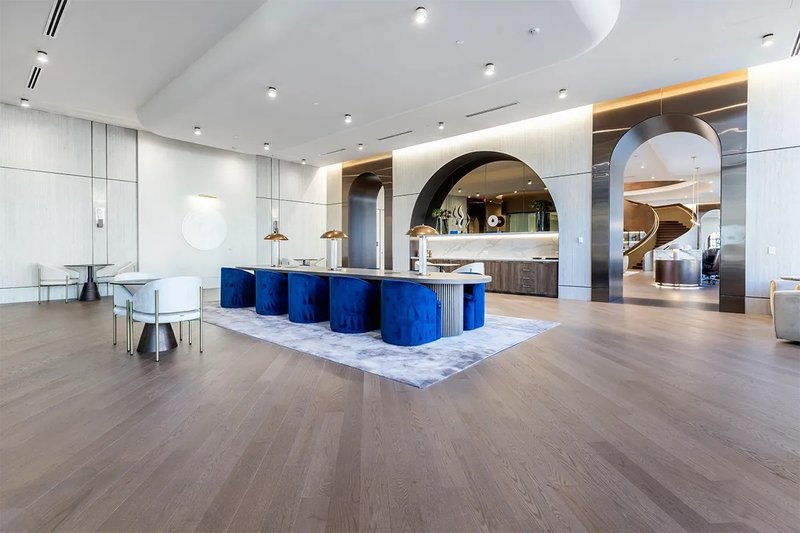
To achieve a cohesive aesthetic across an entire project, consider these coordination strategies:
- Unified Material Packages. Collaborate with only one professional manufacturer and installer to produce the flooring, stair treads, and wall planks in the same production run to ensure identical color matching.
- Controlled Finish Scheduling. Specify pre-finished materials to guarantee that the final color and sheen are consistent across every application, from the lobby floor to the ceiling features.
- Balanced Zoning. Group specific areas like corridors, lounges, and meeting rooms under the same finish specification to maintain a sense of visual flow, rather than mixing disparate stains.
- Strategic Sample Auditing. Review project-specific samples under the actual lighting conditions of the site to confirm how the natural warmth of the wood interacts with your overall lighting design.
Partner with Us, Bring Your Design to Life
Incorporating red oak wood flooring into classic interior concepts is straightforward when you partner with the right manufacturing expert. A professional provider streamlines the specification process, ensuring your design vision is realized with technical precision and material consistency.
At Woodwright, we offer comprehensive, made-to-order solutions that include matching stair treads, wall planks, and ceiling features. Our team leverages four decades of expertise to help you achieve a cohesive, durable, and sophisticated commercial environment that stands the test of time.
Contact our team today for more information on our products and services.