

Modern manufacturing technology has completely transformed the capabilities of specialty millwork. Advancements in CNC and laser precision now allow designers to push wood applications beyond simple horizontal surfaces.
This evolution provides architects with unprecedented flexibility to create bespoke, high-performance installations that define a space. By utilizing made-to-order components, firms can achieve complex geometries and made-to-order detailing that were previously impossible to produce efficiently.
In this article, we’ll examine how these innovations translate into functional art. We will also explore a range of creative, specialized wood applications designed to elevate commercial interiors through superior craftsmanship and material performance.
Defining Specialty Millwork: Character and Performance in Commercial Design
Specialty millwork represents the marriage of precision engineering and artisanal quality. It moves beyond standard stock items, offering bespoke wood solutions designed specifically for a project's unique architectural requirements. This process relies on made-to-order fabrication to ensure every component fits the exact intent of the designer. By focusing on specialty millwork, teams can transform ordinary interior surfaces into high-performance, tailored installations.
These installations offer several distinct advantages for commercial environments:
- Design Cohesion: By producing all wood elements from the same batch and species, manufacturers ensure that flooring, wall, and ceiling surfaces share a perfectly uniform grain and tone. This eliminates the visual fragmentation often found when sourcing components from multiple vendors.
- Structural Integrity: Designers achieve superior width stability by selecting high-performance species like Oak or Walnut that remain dimensionally stable despite humidity fluctuations. This material choice prevents the gapping or warping that frequently compromises the longevity of standard installations.
- Dimensional Versatility: Advanced CNC milling allows for the creation of unique profiles that integrate seamlessly into complex architectural geometries. This flexibility enables wood to serve as a functional structural element rather than just a decorative surface finish.
- Precision Fit: Because components are engineered to exact digital specifications, they arrive at the site ready for installation without requiring on-site modifications. This approach ensures that even intricate bespoke details align perfectly with existing site conditions.
- Long-Term Durability: High-quality wood surfaces that are properly specified can be easily refreshed to restore their original luster after years of heavy use. This maintainability keeps the space looking professional throughout the entire life cycle of the building.
How to Integrate Specialty Millwork in Your Projects
Creating integrated interiors using specialty millwork offers endless creative possibilities for architects and designers. By moving beyond traditional horizontal flooring, wood becomes a versatile medium capable of defining entire rooms.
These applications allow for a seamless transition between various surfaces, creating a cohesive environment that feels intentional and high-end. Whether the goal is to add subtle texture or bold structural elements, there are numerous ways to incorporate these custom pieces into a commercial layout.
Tongue and Groove Millwork
Tongue and groove planks allow designers to extend the warmth of wood beyond the floor. This method ensures that vertical and transition elements maintain the exact same species and finish as the primary horizontal surfaces.

The following applications demonstrate how this precision approach enhances architectural flow:
- Reception Desk Cladding: Facing a reception desk with uniform planks creates an immediate, professional focal point. This ensures the main entry area shares the exact grain and species as the surrounding floor. It provides a durable finish that withstands high-traffic areas.
- Column Encasements: Wrapping structural columns in tongue and groove wood transforms architectural obstructions into refined design features. This process maintains material continuity throughout the space while hiding unsightly support beams. It is a clean way to integrate necessary structures into the overall specialty millwork aesthetic.
- Window Casing and Trim Extensions: Custom-milled trim bridges the gap between architectural openings and surrounding wall finishes. This ensures every detail matches perfectly in both tone and texture. It eliminates the visual clutter of mismatched materials, resulting in a polished look.
Custom CNC-Cut Plank Walls
Modern technology enables the transformation of standard planks into complex, dimensional wall surfaces that serve as functional art. By leveraging CNC and laser precision, designers can create unique wall textures that provide more depth than typical flat veneer panels.
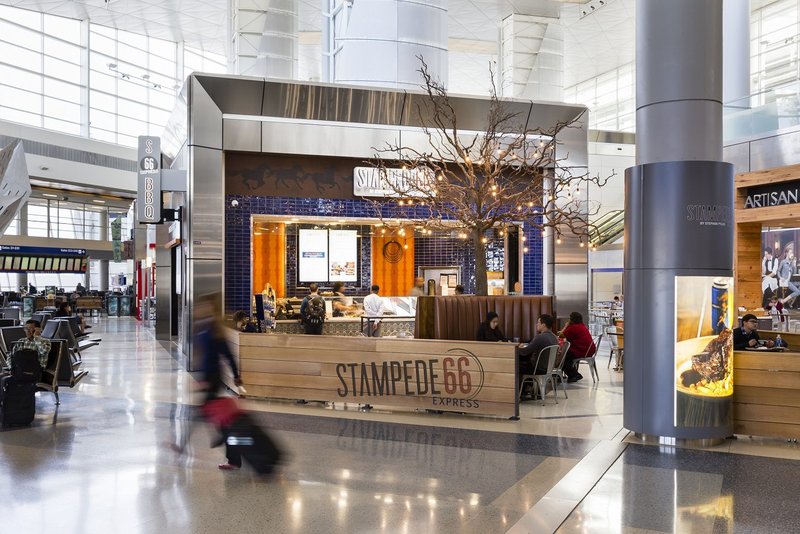
Consider these ways to utilize this specialty millwork for vertical surfaces:
- Feature Walls: Precision CNC and laser techniques allow wood planks to form complex, dimensional surfaces that outperform standard veneer panels. These walls create depth and tactile interest that elevate any interior. This specialty millwork provides a robust alternative to flimsy, off-the-shelf coverings.
- Geometric Acoustic Buffers: Layered plank configurations help manage sound levels in open-plan offices. By adjusting the spacing and depth of the wood, designers create a functional, decorative barrier that improves the acoustic environment. This turns a necessary utility into a significant design statement.
- Branded Architectural Inserts: Negative space carved into a plank wall can subtly incorporate logos or wayfinding elements. This embeds the company identity directly into the building materials rather than applying it as an afterthought. It is a sophisticated way to reinforce branding within a corporate or hospitality setting.
Integrated Furniture and Foundation Elements
Wood millwork can function as a structural component, bridging the gap between decorative elements and actual furniture pieces. By fabricating these items from the same materials as the room, the design achieves a sense of permanence and intentionality.
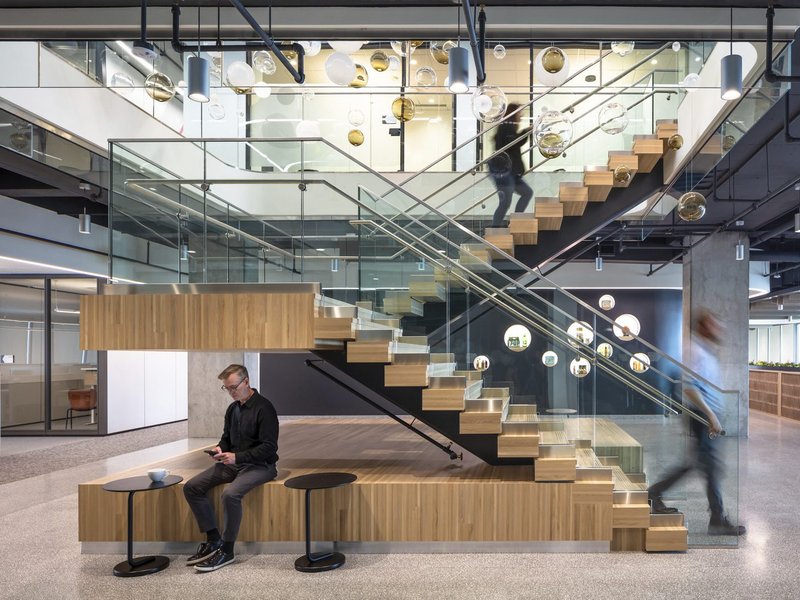
These integrated applications represent the height of cohesive commercial interiors:
- Integrated Benches: Fabricating built-in seating from the same durable materials as the flooring creates a cohesive look. These benches offer a sturdy, long-lasting solution for waiting areas or breakout spaces. This specialty millwork maximizes square footage while providing functional seating.
- Decorative Plinths: Designing custom-height wood bases for displays provides a stable, elegant foundation for focal points. These plinths ensure that features remain visually aligned with the rest of the room. They protect the edges of displays while adding architectural sophistication to the design.
- Custom Planter Cladding: Wrapping interior planters in matched wood planks helps greenery feel like a natural extension of the architecture. This prevents planters from looking like disconnected accessories by tying them into the broader design language. It creates a curated appearance that enhances the atmosphere of the space.
- Stair Risers and Stringers: Custom-milling planks to match horizontal flooring creates a unified circulation path throughout a multi-level project. This ensures that high-traffic stairs are as visually consistent as the rooms they connect. It is a hallmark of high-performance design that prioritizes both beauty and durability.
Elevate Your Next Project with Woodwright
Specialty millwork transforms standard commercial interiors into cohesive, high-performance environments. But ensuring that it is done right requires that you find the right partner.
Woodwright provides the manufacturing expertise required to unlock the full potential of specialty millwork in every project. By collaborating with our team early in the design process, architects gain access to precise, made-to-order components that ensure structural integrity and aesthetic unity.
Reach out to our team and find your rep today to discuss how custom wood applications can define the character of your next commercial installation.