Texas Post Oak: Understanding Its Grain Pattern, Color Variation, and Design Appeal

​Finding a floor plate that anchors a room with immediate, unforgettable personality is a massive win for modern interiors. Texas Post Oak commands attention right out of the gate, offering a raw, highly tactile presence that traditional, uniform Oaks completely miss. With its beige streaks and sweeping grain lines, this regional hardwood proudly puts its charm on display.

To help you better understand this specie, this technical guide breaks down its regional origins and defining characteristics. We’ll also go over its advanced surface engineering options and the exact architectural settings where it delivers the most impact.

Geographic Roots of Texas Post Oak

Unlike standard commercial hardwoods, Texas Post Oak is a salvaged wood mainly found in the Brazos Valley of Texas. This regional sourcing gives the material a deep narrative since the timber is typically reclaimed from historic Texas ranchlands and agricultural properties.

Swatch of Texas Post Oak wood
Sample of Rustic/Mill Run Grade Texas Post Oak

The harsh climate of the Brazos Valley directly shapes the aesthetic profile of the lumber. Its distinction comes from its inherent beauty found in the naturally occurring color variations and less pronounced grain pattern, setting it apart from standard mill options.

Because these trees grow slowly in semi-arid soil, the wood develops tight growth rings and rich mineral pockets. This localized development ensures the final material is different than any other Oak, requiring specific climate acclimatization on the job site.

The Distinctive Character of Texas Post Oak

Moving past its regional origins, the true value of Texas Post Oak lies in how its physical structure impacts visual and tactile design.

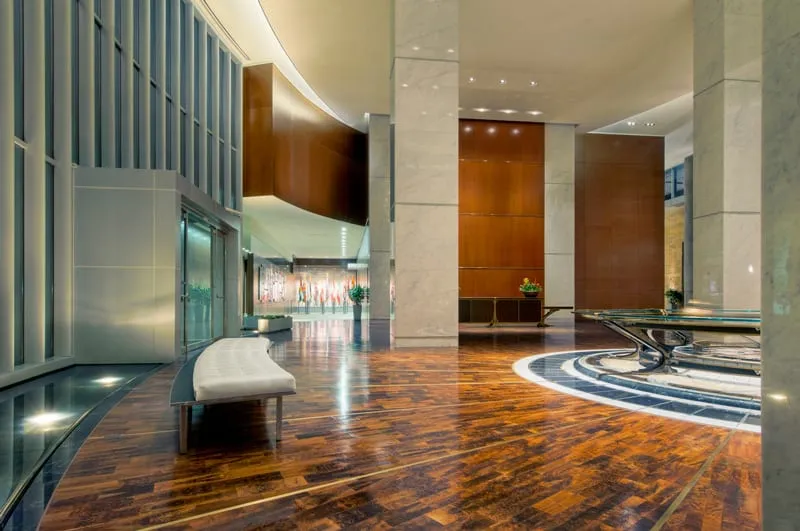
The image shows Texas Post Oak used in the flooring for a room in Virgin Hotel
Virgin Hotel in Dallas, TX | Texas Post Oak Flooring

The following points break down exactly how this material redefines traditional oak expectations through advanced surface engineering.

Aesthetic Differentiation: Redefining Traditional Oak Expectations

Standard commercial oaks typically feature highly uniform, straight vertical lines and predictable grain matching across wide floor plates. While this clean look works for corporate corridors, it might not necessarily be the best option for high-end hospitality, boutique restaurants, or luxury lodges.

That is exactly where Texas Post Oak changes the dynamic by trading predictable consistency for a raw, visually engaging texture. Architects and interior designers specify this material over traditional lumber options because its distinct visual characteristics bring an unmanufactured narrative to large expanses:

  • Subdued Ring Patterns: It offers a less pronounced grain pattern compared to traditional options, letting the wood's texture feel more organic and less rigid.
  • Rich Tonal Shifts: It displays striking, naturally occurring color variations that run from creamy beige streaks to deep, earth-toned hues across a single installation plane.
  • Imperfect Character Details: It retains a dense mix of character knots and dark mineral speckles that give large floor expanses an immediate, unmanufactured authenticity.

Advanced Surface Engineering: Thick-Cut Lamellas and the Natural Face

Standard engineered flooring is typically built for uniformity. Its top wear layers are industrially planed and machine-sanded to erase natural deviations, creating a completely flat, predictable surface across every plank. While this corporate finish is common, it often strips away the organic soul and structural depth that architects and designers look for.

Texas Post Oak breaks away from this factory aesthetic by introducing an alternate manufacturing finish. Specifying this lumber with a specialized natural face texture rather than standard surface textures allows designers and architects to move away from conventional mill configurations. In turn, this brings a rugged, distinct look to modern interior environments.

This texture relies on a mechanical process that alters how the wear layer is treated. Instead of slicing thin veneers, the top lamellas are sawn extra thick before entering the kiln-drying phase. Once dry, these heavy wear layers are bonded directly to stable Baltic birch plywood backers and left completely unsurfaced, bypassing industrial sanding.

Skipping the final sanding phase ensures the wood retains its natural structural fiber and raw markings. Specifying these high-performance engineered wood floors delivers a major design benefit, giving wide floor plates a historic, unmanufactured presence that effortlessly stands up to heavy spatial traffic. The multi-ply Baltic birch core acts as a high-tensile anchor, locking down the dense timber to prevent cupping.

The Topographical Effect: Embracing the "Shrunken Face" Dimension

When thick-cut Texas Post Oak lamellas enter the kiln without prior surfacing, the wood fibers shrink unevenly based on density. As a result, subtle highs and lows develop across the face of each plank, creating a naturally textured surface.

This effect, commonly referred to as a shrunken face, occurs as the timber twists and contracts during the drying process. Instead of sanding away these natural variations, the mill preserves them, allowing the material's organic character to remain intact.

The resulting surface profile delivers a classic, foot-worn look that feels centuries old. Light interacts differently across the contours of each plank, creating depth, movement, and soft shows that change throughout the day.

​For designers seeking an authentic aesthetic, this specialized manufacturing approach offers a tactile quality that flat, uniform flooring cannot replicate. The flooring retains the natural movement and character of real hardwood while providing the stability expected from a high-performance engineered floor.

Design Implementation: Where Texas Post Oak Fits Best

The unique appearance and distinct physical characteristics of this species make it highly adaptable for specialized architectural applications. It is particularly effective across specific interior environments where a pristine, corporate look feels too detached:

  • High-End Casual Residential: Adds a relaxed, authentic layer to custom homes, softening contemporary architecture with organic texture.
  • Rustic Lodges and Retreats: Complements expansive layouts by introducing a grounded, historic presence that anchors large rooms.
  • Boutique Restaurants and Hospitality: Withstands heavy daily guest traffic while hiding scuffs beneath its natural highs and lows.
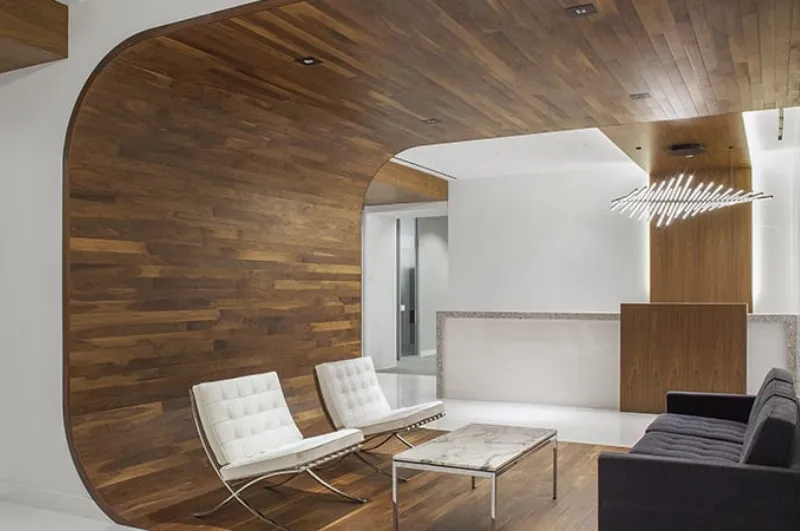
This photo features a hotel lounge using texas post oak flooring
Virgin Hotel in Dallas, TX | Texas Post Oak Flooring in the Lounge

Incorporating this unique timber elevates a space with the understated charm of Post Oak sustainable luxury. It provides interior designers and architects with a high-performance floor plate that bridges the gap between raw narrative and structural performance

Elevating Commercial Spaces with Post Oak Engineering

Texas Post Oak completely redefines architectural expectations by trading mass-produced uniformity for a raw, deeply textured surface that brings spatial soul to high-end interiors. As your manufacturing and engineering partner, we offer tailored milling solutions, custom-engineered plank profiles, and stable multi-ply assemblies designed to withstand heavy spatial demands. Partner with Woodwright to seamlessly integrate this distinctive regional timber into your next commercial or luxury residential layout.