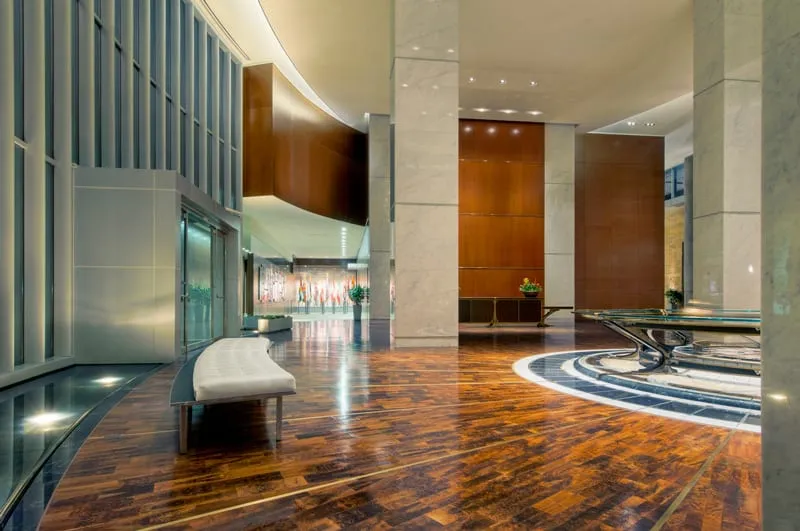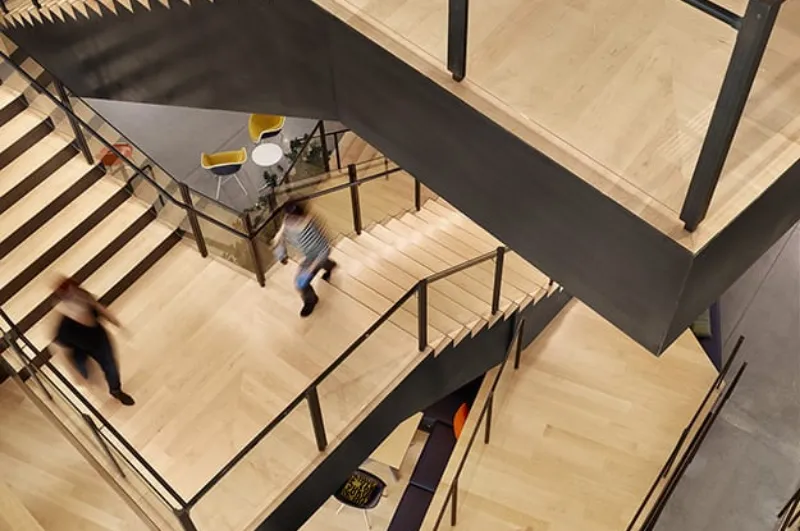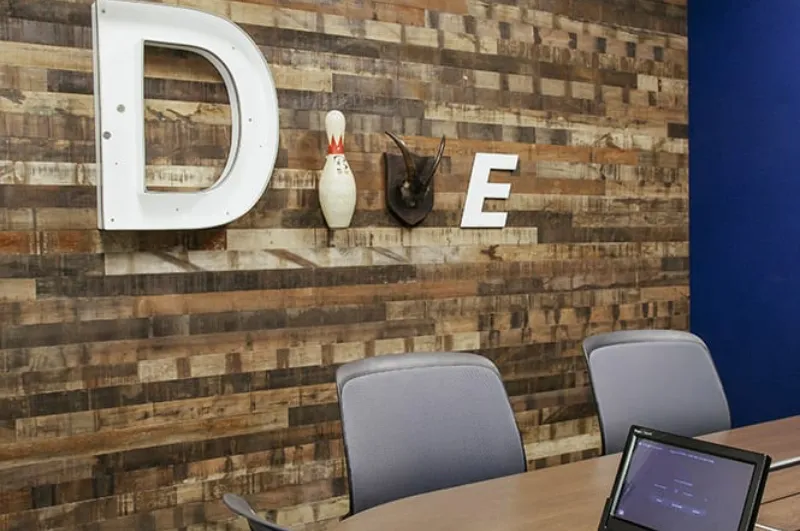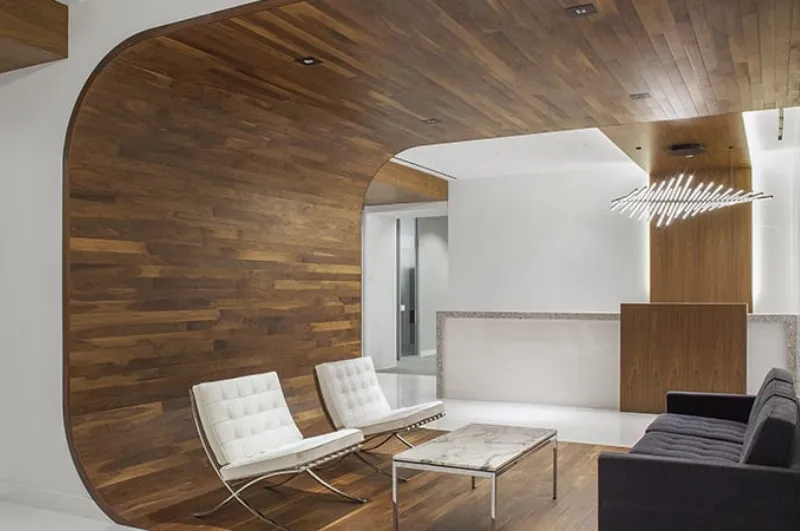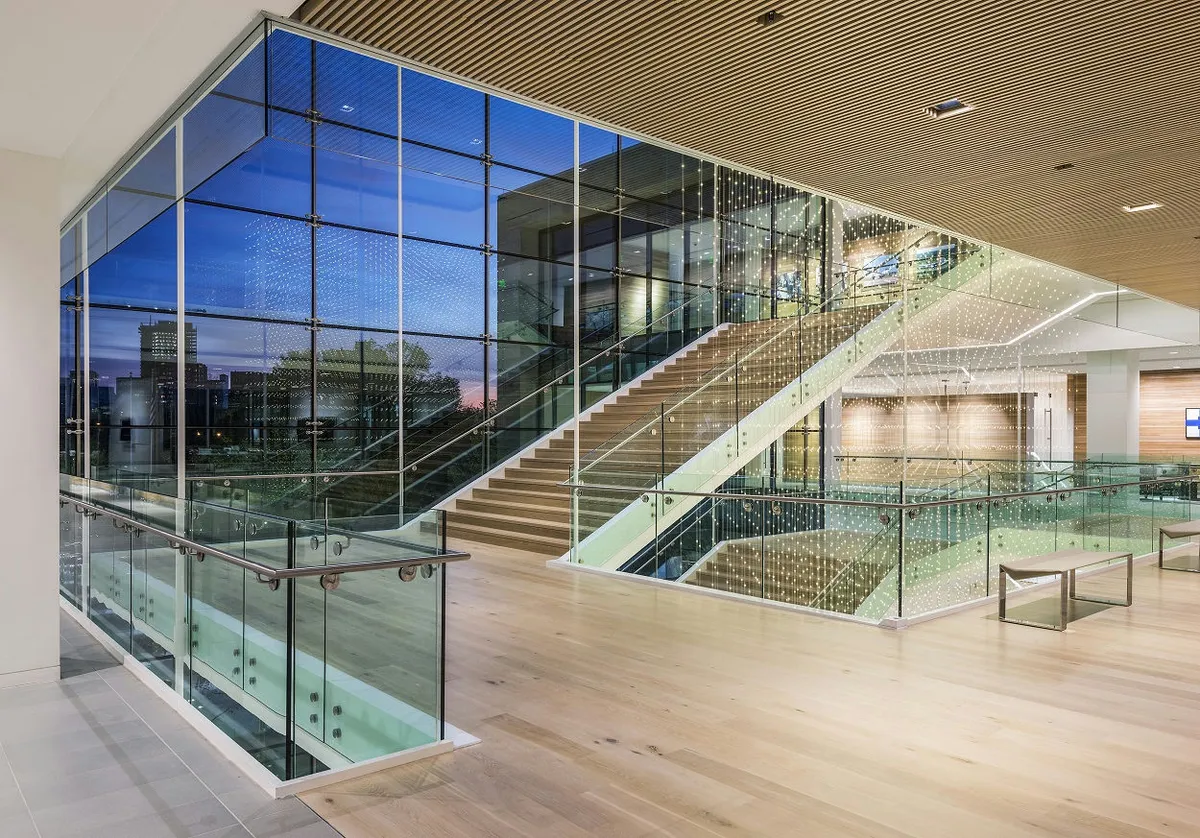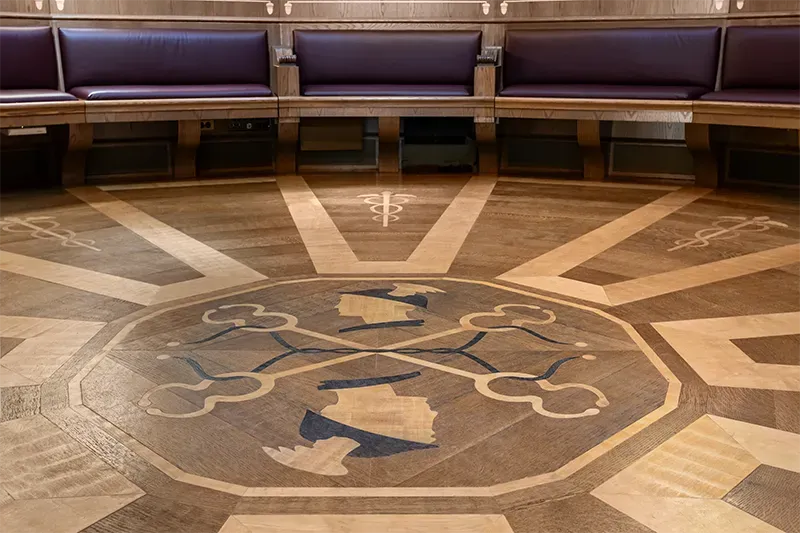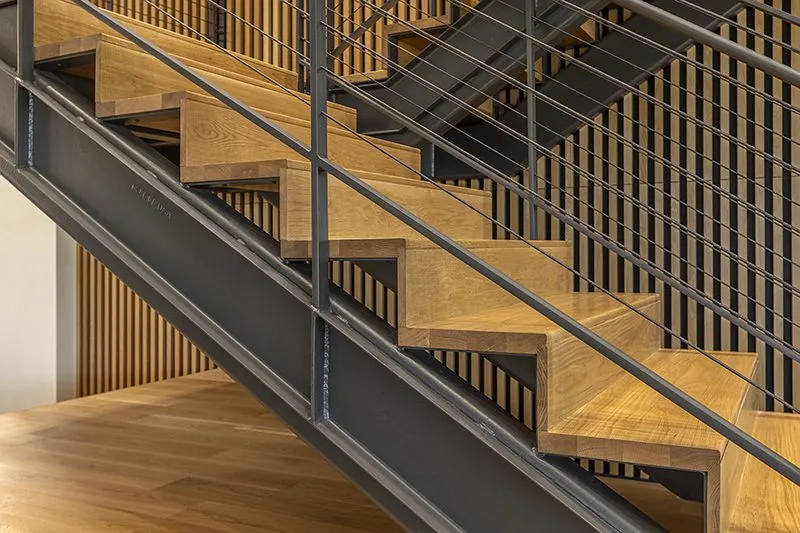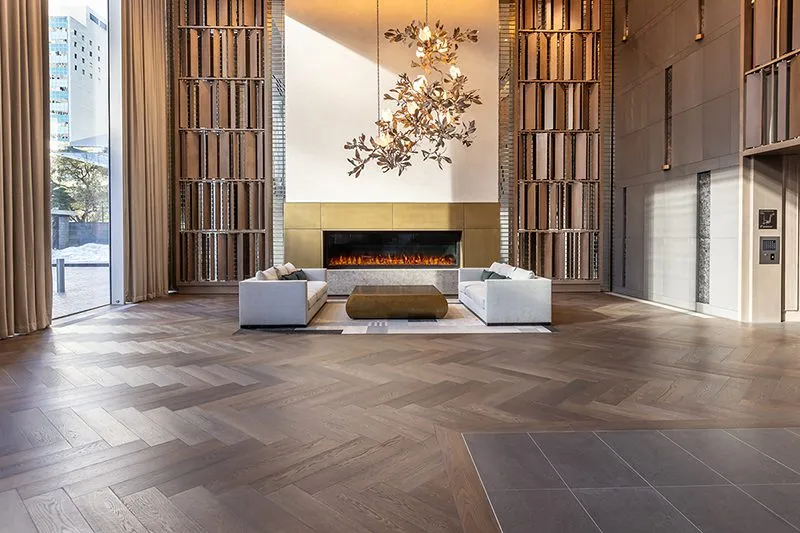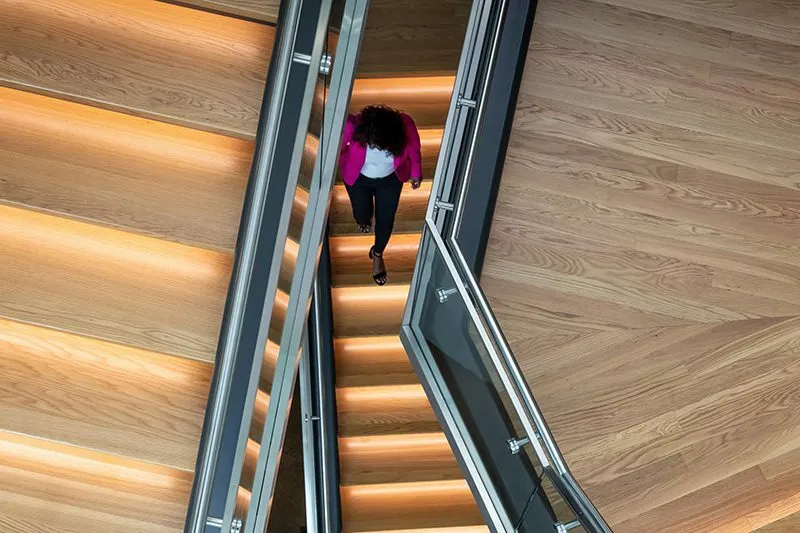
Designing for a large-scale commercial space requires a balance between aesthetic vision and technical reality. The floor is the foundation of this balance, impacting both the atmosphere and the long-term ROI. This is where engineered hardwood flooring comes in.
For expansive floor plates, engineered hardwood flooring has emerged as the premier solution for these high-stakes environments. It offers the organic warmth of wood with the structural integrity required for heavy traffic.
When specifying for a project of this magnitude, understanding the material's behavior is essential. This article explores how to navigate the specific technical requirements of large-scale commercial builds.
Why Engineered Hardwood Flooring is the Commercial Standard
Specifying engineered hardwood flooring for large-scale projects is a decision rooted in risk management and design flexibility. Its multi-layer construction is specifically designed to counteract the natural movement of timber in demanding environments.

- Dimensional Stability: The cross-ply core offsets the tension of wood fibers, providing superior resistance to "cupping" and "crowning." This is essential in open-plan areas where humidity and temperature can fluctuate across large square footages.
- Direct Concrete Compatibility: Most commercial builds feature concrete subfloors. The stability of an engineered product allows for a direct-glue installation, eliminating the need for bulky plywood sub-structures or sleeper systems.
- Seamless Material Transitions: Because it has a lower profile than solid wood, it is much easier to manage transitions to other finishes. This allows for flush joints between your wood flooring and adjacent stone, tile, or carpet.
- Larger Proportions: Designers often require wider and longer planks to match the scale of modern architecture. This construction allows for 8 to 10-inch widths that stay flat, which would be physically impossible with solid wood at this scale.
- Predictable Visual Consistency: Managing grain and color across 20,000 square feet is a significant challenge. Engineered hardwood flooring allows for a more controlled “slice” of the log, ensuring the aesthetic remains cohesive from the first room to the last.
- Sustainability and Resource Efficiency: This manufacturing process yields more usable flooring from every tree compared to solid planks. For projects with strict sustainability initiatives, this efficiency is a key factor in responsible material sourcing and achieving LEED credits.
With these benefits, architects can provide clients with the luxury of real wood without the structural liabilities often associated with it in a commercial setting. Using engineered hardwood flooring ensures the design looks as intended on day one and year ten.
Challenges of Using Engineered Hardwood for Large-Scale Projects
Even with a superior product, large-scale projects present unique logistical hurdles. Identifying and preparing for these potential risks early in the design process is the best way to prevent cascading project delays and budget overruns. After all, in large-scale builds, a single oversight in material handling can jeopardize the entire schedule.

With this in mind, here are some of the few challenges that you may encounter when working with engineered hardwood flooring for your project:
- Subfloor Consistency Across Thousands of Feet: In massive builds, achieving a perfectly flat concrete slab is notoriously difficult. If the subfloor deviates beyond industry standards, it can lead to hollow spots or uneven wear in the engineered hardwood flooring.
- The Complexity of Acclimatization: Large quantities of material require significant space and time to adjust to the building's environment. If the HVAC system isn't fully operational, the wood may react poorly to the site’s ambient humidity.
- Managing Site Protection: On a busy commercial site, flooring is often installed while other trades are still finishing their work. Without strict protection protocols, the risk of wood flooring damage from heavy equipment or construction debris increases significantly.
- Ensuring Batch Uniformity: When ordering tens of thousands of square feet, "batch drift" can become an issue. Sourcing from a single production run is essential to ensure the grain and color remain cohesive across the entire floor plate.
- The Precision of Installation: Large-scale layouts require an experienced team that understands how to manage expansion gaps across expansive distances. A single error in the layout can telescope across the entire room, leading to visible alignment issues.
Overcoming these challenges requires a partner like Woodwright who manages both the manufacturing and the installation process. This ensures that the engineered hardwood flooring is handled correctly from the moment it leaves the factory until the final walkthrough.
Design Flooring for Longevity
A successful project is measured by how well the design holds up long after the grand opening. Choosing engineered hardwood flooring provides the necessary foundation for both visual impact and structural stability in demanding commercial spaces.
By aligning technical specs with expert installation, architects can deliver a high-end environment that performs as promised. This approach minimizes risk and maximizes the aesthetic potential of every square foot.
Ready to start your next specification? Contact our team at Woodwright for a technical consultation.