

When architects and designers want to instantly elevate a commercial project, few materials command the room quite like walnut wood flooring. Known for its rich, luxurious, deep chocolate brown tones, this specie provides an elegant foundation that makes any interior feel highly exclusive. It has become incredibly popular for premium corporate and hospitality spaces because it coordinates effortlessly with high-end furniture and architectural wood veneers.
This article outlines how to balance the stunning aesthetic value of this wood with its mechanical realities on the commercial floor plate. We’ll also discuss the optimal placement for this timber, material coordination strategies, and manufacturing workarounds for managing surface wear.
Strategic Placement: Designing Low-Impact, High-Impression Zones
Specifying the right floor plate location is critical when working with deep, organic tones that have a slightly more delicate surface threshold. Choosing areas with controlled traffic patterns allows designers and architects to harness the full visual power of the material while naturally preserving its surface integrity. Strategic layout planning ensures that you deliver maximum design punch without exposing the floor plate to unmitigated wear.
Integrating this premium material into lower-traffic footprints creates a memorable journey throughout the building envelope. Consider these highly effective placement strategies for your next layout:
- Executive Boardrooms and Private Suites: Grounding elite meeting spaces with walnut wood flooring creates a quiet look of permanence and authority that immediately impresses visiting stakeholders.
- Boutique Hospitality Lounges: Utilizing this material in specialty cocktail areas or intimate hotel seating corners infuses a distinct residential warmth that encourages guests to linger.
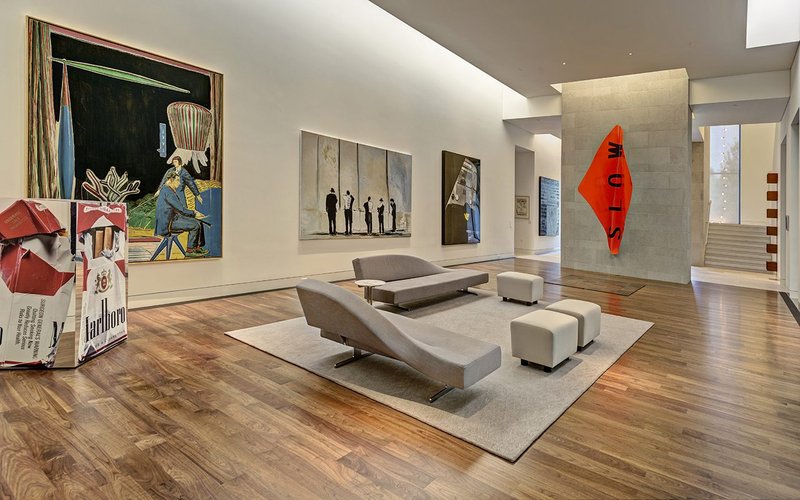
- Designated Gallery and Showroom Footprints: Specifying the timber in curated paths or presentation spaces highlights high-end displays while controlling foot traffic density.
Master the Palette: Pairing Walnut Wood Flooring with Premium Textures and Materials
Mastering the design palette requires an intentional juxtaposition of raw finishes, light reflection, and deep tones to amplify spatial depth. Pairing this elegant material with contrasting textures is important because it prevents dark species from making a commercial interior feel overly heavy or enclosed. By establishing precise finish benchmarks, designers and architects create sophisticated architectural statements that feel highly curated and cohesive.
Leveraging the flexibility of made-to-order manufacturing allows you to seamlessly align the ground plane with surrounding architectural finishes. Consider these highly effective material pairing strategies for your layout:
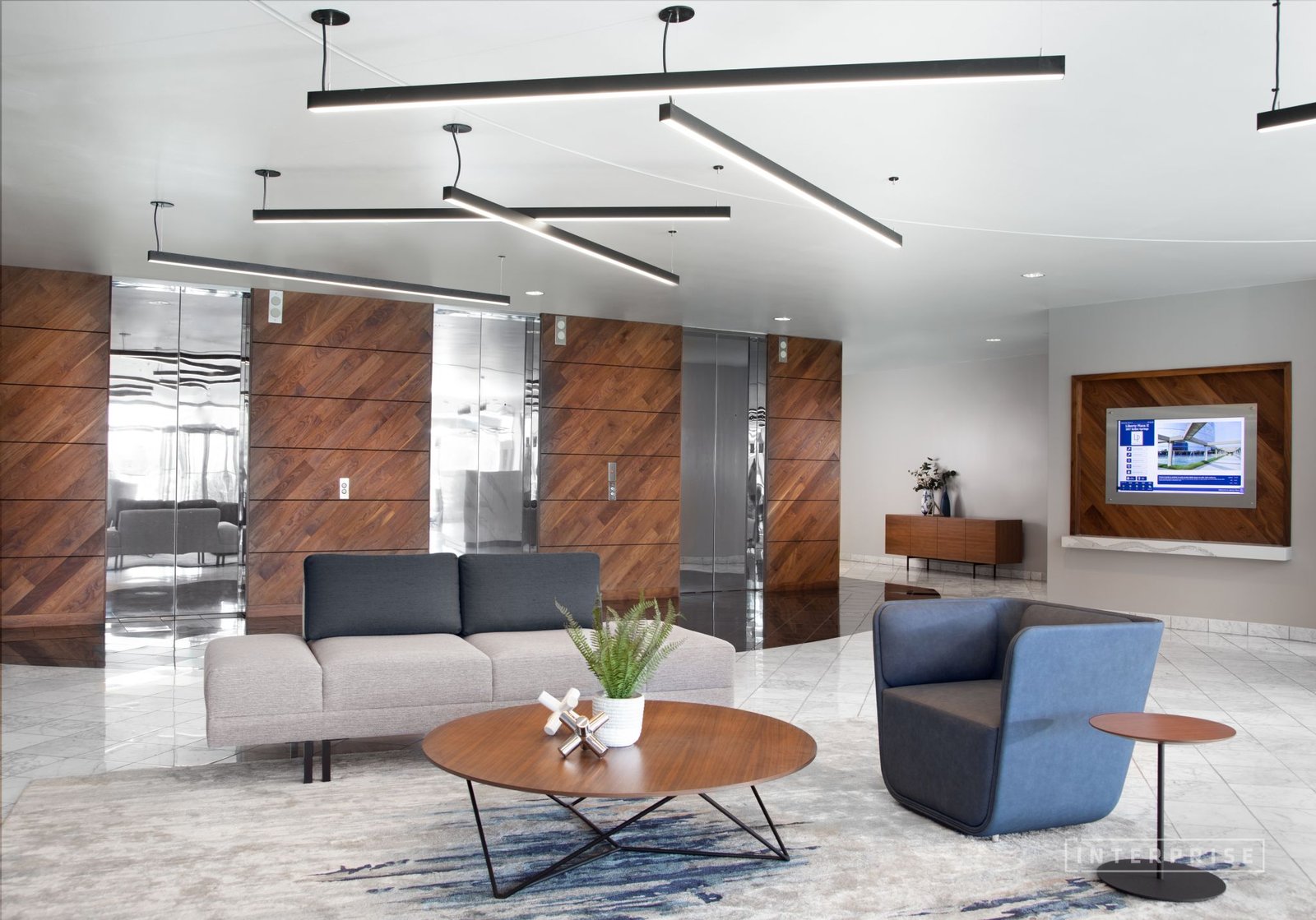
- High-Contrast Mineral Compositions. Combining walnut wood flooring with cold, smooth surfaces like polished white marble or raw cast concrete creates a beautiful textural tension.
- Architectural Veneer Coordination. Aligning custom-milled floor patterns with wall panels and bespoke cabinetry ensures the deep chocolate wood tones echo perfectly across mid-century modern furniture pieces.
- Integrated Low-Glare Lighting. Specifying matte floor sealers alongside hidden linear LED pocket lights accentuates the complex grain movement without throwing harsh, blinding reflections across the room.
Achieving Vertical Continuity: The True Value of Material Cohesion
Vertical continuity is an essential strategy for eliminating disjointed visual transitions. It also brings a satisfying sense of scale to large commercial spaces. By blending these expansive architectural boundaries, designers and architects can create a fluid, continuous environment where the material palette feels beautifully integrated.
Sourcing matching components from a single source ensures that the made-to-order timber profiles flow smoothly between multiple interior surfaces. Consider these strategic implementation techniques to optimize visual cohesion in your next plan:
- Monolithic Feature Walls. Utilizing matching tongue and groove flooring planks as vertical wall surfaces frames reception hubs beautifully while ensuring the coloration matches the ground plate.
- Integrated Step Configurations. Coordinating made-to-order milled stair treads and matching trim components with adjacent walnut wood flooring blocks out sleek transitions between different floor elevations.
- Floating Overhead Envelopes. Installing coordinated wood planks across expansive ceiling areas creates an intimate biophilic canopy that mirrors the layout directly beneath it.
Ensuring Performance: Managing the Technical Realities of Walnut Wood Flooring
Managing the unique mechanical thresholds of walnut requires an understanding of density constraints and structural physics. Walnut carries a Janka hardness rating of 1010, which can make it noticeably softer than traditional commercial workhorses like white oak or pecan/hickory.
Architects and interior designers must address these specific physical limits during the early specification phase to proactively protect bespoke floors against human-inflicted wear. Implementing targeted technical workarounds during manufacturing helps shield the timber from surface indentations and heavy foot traffic.
Consider these proven manufacturing and engineering methods to safeguard your layout:
- Advanced Structural Multi-Ply Substrates. Specifying walnut wood flooring in a high-quality engineered format dramatically maximizes its width stability and overall resistance to environmental shifts.
- Strategic Texture Modification. Utilizing a detailed wire-brushed texture on the surface layer breaks up light reflections and effectively camouflages inevitable micro-scratches.
- High-Performance Industrial Finishes. Deploying premium commercial factory-applied pre-finished coatings protects the face grain from scuffs caused by high heels or rolling furniture.
Build Your Next Landmark Space with Walnut Wood Flooring
Walnut wood flooring is more than just a surface; it is a foundational design choice that signals sophistication and permanence. When you specify this species, you are grounding your project in a material that bridges the gap between classic luxury and modern performance. For architects and designers ready to define an interior with authority, this material offers a unique opportunity to achieve a high-end, cohesive result.
Bringing this vision to life requires a partner who understands the nuances of made-to-order manufacturing. At Woodwright, we leverage 40 years of expertise to provide made-to-order solutions that ensure your most prestigious projects endure.
Contact our team today to request project-specific samples and technical data to ensure your next space stands the test of time.