

Architects and designers are increasingly specifying Sapele wood flooring for high-end commercial interiors. The species is highly regarded for offering a perfect balance between premium visual design and long-term material performance. This exceptional durability makes it a great option for commercial environments that experience heavy daily foot traffic.
Beyond its strength, this material effortlessly brings natural warmth into modern spaces. The rich tones and dynamic grain variations create immediate focal points in large-scale projects, making expansive interiors look visually striking and instantly premium.
This guide explores the unique physical characteristics of Sapele wood, its versatile commercial applications, and how to integrate it seamlessly across multiple architectural surfaces.
The Modern Appeal of Sapele Wood Flooring
Originating from West and Central Africa, Sapele wood has been a staple in European design for generations, it gained popularity in the United States during the late twentieth century as a durable alternative to Mahogany. Prized for its fine texture, Sapele is typically used for musical instruments and high-end furniture. However, it has also become the preferred choice for architectural millwork and commercial architecture.
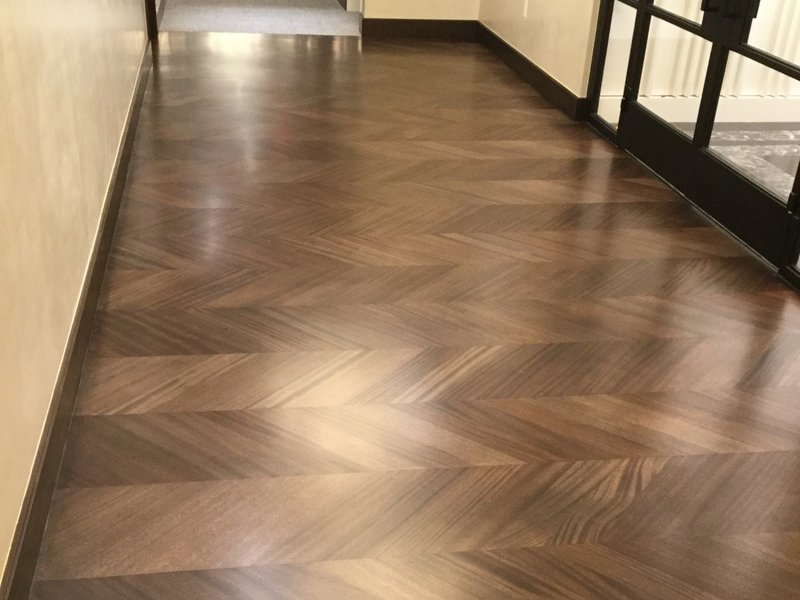
The following characteristics demonstrate why Sapele wood flooring delivers both aesthetic prestige and long-term performance in commercial environments:
- Unique Aesthetic Characteristics: This species delivers a distinct exotic appearance featuring an interlocked, mixed grain pattern. When quartersawn, Sapele wood reveals a prominent ribbon-striped effect that interacts dynamically with ambient light, adding sophisticated visual depth and natural luster to expansive commercial interiors.
- Superior Finish Versatility: Sapele wood accepts stains and protective coatings exceptionally well. This gives architects and designers the flexibility to manipulate coloration and achieve precise tones while fully preserving the natural grain clarity of the Sapele wood flooring.
- Robust Durability: Boasting excellent hardness and density, this species serves as a highly resilient alternative to traditional options like Oak or Pecan/Hickory. It’s also a tougher and more wear-resistant replacement for Walnut. This makes Sapele wood flooring ideal for demanding corporate and public spaces.
- Lifecycle Longevity: Engineered for decades of rigorous use, Sapele wood provides outstanding long-term value. The robust material withstands heavy commercial demands and easily supports multiple sand-and-refinish cycles to restore its original appearance without requiring full material replacement.
- High Versatility: This material transcends standard ground-level applications by offering excellent cross-surface flexibility. Architects and designers can easily specify matching stair treads alongside tongue-and-groove planks for walls and ceilings, ensuring complete design continuity alongside the Sapele wood flooring.
Elevating Interiors: Integrating Sapele Wood in Commercial Spaces
Incorporating a premium material like Sapele wood flooring into a commercial layout requires a strategic approach to spatial design. When specified correctly, this rich timber does more than just cover a surface; it actively shapes how people experience an interior. By leveraging its distinct grain and warmth, architects and designers can manipulate perception, guide movement, and establish an immediate sense of luxury across various commercial sectors.
Below, we’ve outlined some of the ways that you can integrate this specie into commercial projects.
Define Spatial Zones in Corporate Headquarters
Open-plan corporate layouts often require visual boundaries to separate collaborative areas from private workspaces without building physical walls. Implementing Sapele wood flooring allows architects and designers to establish these boundaries naturally through material transitions. The rich texture and distinct warmth of the timber create intuitive visual cues that define the purpose of each corporate zone.
Several structural layout strategies can help achieve this spatial delineation:
- Delineate Collaborative Lounges via Material Transitions: Changing from standard commercial carpet to rich Sapele wood flooring instantly signals a shift in environment, framing casual meeting areas as distinct hubs for teamwork.
- Anchor Executive Boardrooms with Expansive Wide Planks: Installing wide, made-to-order planks inside executive suites creates a prestigious foundation that visually sets leadership spaces apart from the main office floor.
- Direct Directional Traffic Patterns Using Linear Grain: Aligning the continuous ribbon grain along primary pathways utilizes Sapele wood flooring to subtly guide employees and visitors toward main reception desks.
Coordinate Structural Stairs and Flooring in Lobbies
Multi-level commercial and hospitality entrances require complete design continuity to make a powerful first impression. Utilizing Sapele wood flooring for luxury staircases or vertical architectural elements allows architects and designers to connect separate floors into a single, cohesive narrative.
Architects and designers can implement specific specification techniques to guarantee cross-surface continuity:
- Pair Matching Solid Wood Stair Treads with Main Levels: Specifying project-specific stair components alongside Sapele wood flooring eliminates awkward visual breaks between the ground floor and mezzanine levels.
- Incorporate Custom Structural Riser Details for Vertical Harmony: Wrapping structural staircases with matching wood finishes ensures that every angle of the architectural installation complements the surrounding wood flooring.
- Eliminate Architectural Gaps Through Controlled Milling Profiles: Ordering coordinated stair elements and tongue-and-groove flooring from a single facility ensures precise tongue-and-groove alignment at critical floor-to-stair junctions.
Anchor Academic Pavilions with Natural Textures
Large-scale higher education centers, university libraries, and student hubs benefit greatly from the grounding warmth of natural materials. Sapele wood flooring introduces a sophisticated texture that beautifully balances cold architectural surfaces like glass, concrete, and steel. This durable species provides a welcoming aesthetic while easily enduring the rigorous foot traffic of busy campus environments.
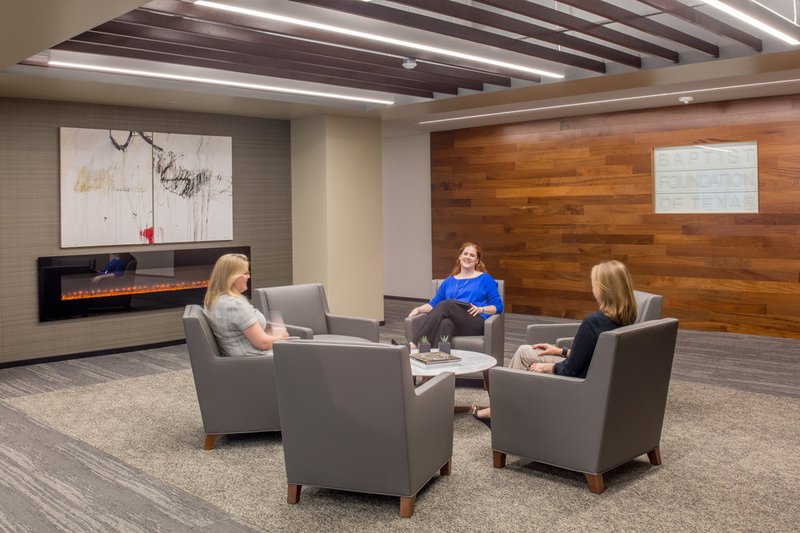
Design teams can leverage specific manufacturing benefits to optimize institutional spaces:
- Balance Structural Concrete with Organic Warmth: Specifying wide-profile Sapele wood flooring softens the expansive concrete and glass structures common in modern academic pavilions.
- Deploy High-Density Material to Resist Indentation: Utilizing the high natural hardness of this species ensures that heavy student foot traffic and shifting furniture do not compromise the integrity of the wood flooring over time.
- Utilize Factory-Applied Commercial Coatings to Minimize Upkeep: Leveraging robust pre-finished coatings provides university facilities with long-lasting protection against stains, keeping high-traffic public areas pristine.
Frame Luxury Retail Spaces with Floor-to-Ceiling Accents
Flagship showrooms and luxury retail environments require an immersive atmosphere that elevates the premium nature of their products. Utilizing Sapele wood flooring allows brands to establish a sophisticated, high-end backdrop that immediately captures consumer interest. By taking advantage of tailored millwork solutions, architects and designers can extend this rich texture beyond the ground plane to create a completely unified interior.
Retail designers and architects can utilize versatile installation methods to create a fully immersive brand environment:
- Extend Tongue-and-Groove Planks Onto Perimeter Walls: Running matching wood flooring planks vertically onto accent walls creates a continuous, high-luster backdrop that enhances product displays.
- Integrate Matching Wood Plank Ceilings for Overhead Continuity: Specifying identical tongue-and-groove planks overhead forms a striking wood plank ceiling that coordinates flawlessly with the flooring below.
- Secure Exact Color Cohesion Across Cross-Surface Applications: Partnering with a made-to-order production facility ensures that the floor, wall, and ceiling components match perfectly in color, grain pattern, and sheen.
Specify Sapele Wood Flooring for Your Next Project
Integrating Sapele wood flooring for commercial projects can be instrumental in achieving a flawless balance of striking exotic beauty and exceptional material durability. When navigating large-scale specifications, securing this level of visual impact requires a domestic manufacturing partner capable of executing precise architectural details without compromise.
At Woodwright, we manufacture made-to-order architectural solutions tailored entirely to project-specific demands. We offer precision-crafted flooring, matching stair treads, and tongue-and-groove planks for walls and ceilings to guarantee perfect color cohesion across every surface.
Partner with us to bring refined warmth and long-term structural integrity to your next interior design. Contact Woodwright today to request material samples for your upcoming specification.