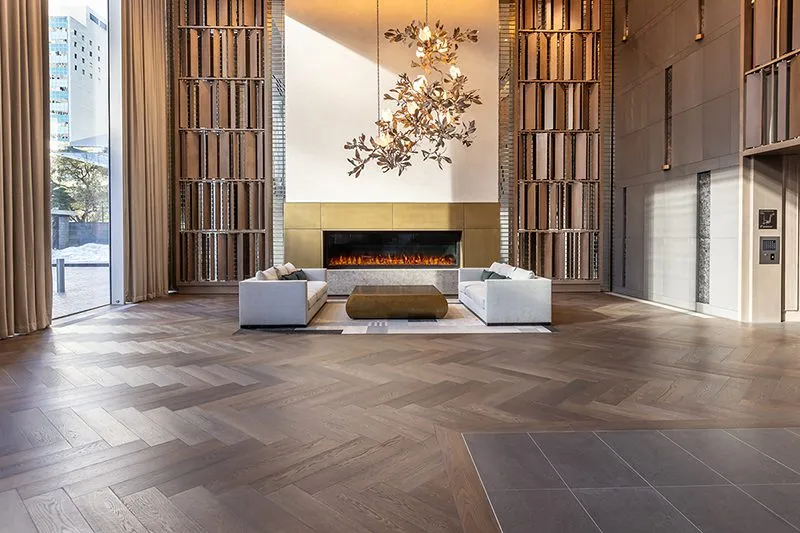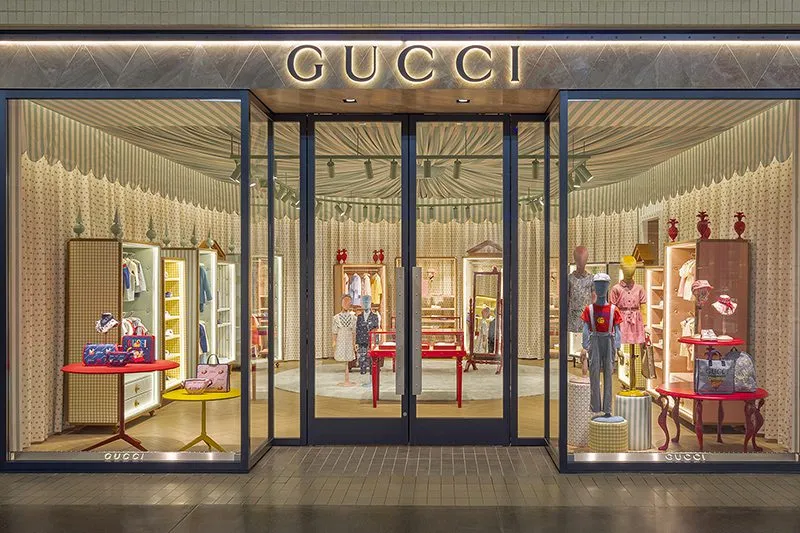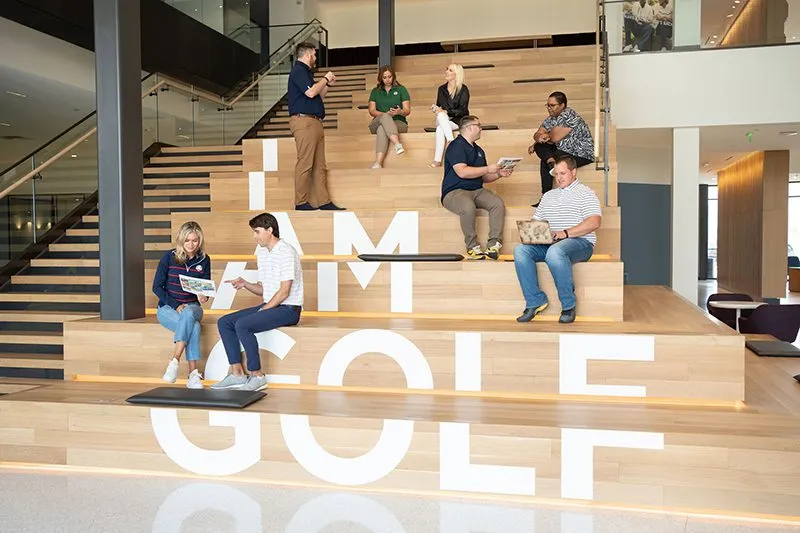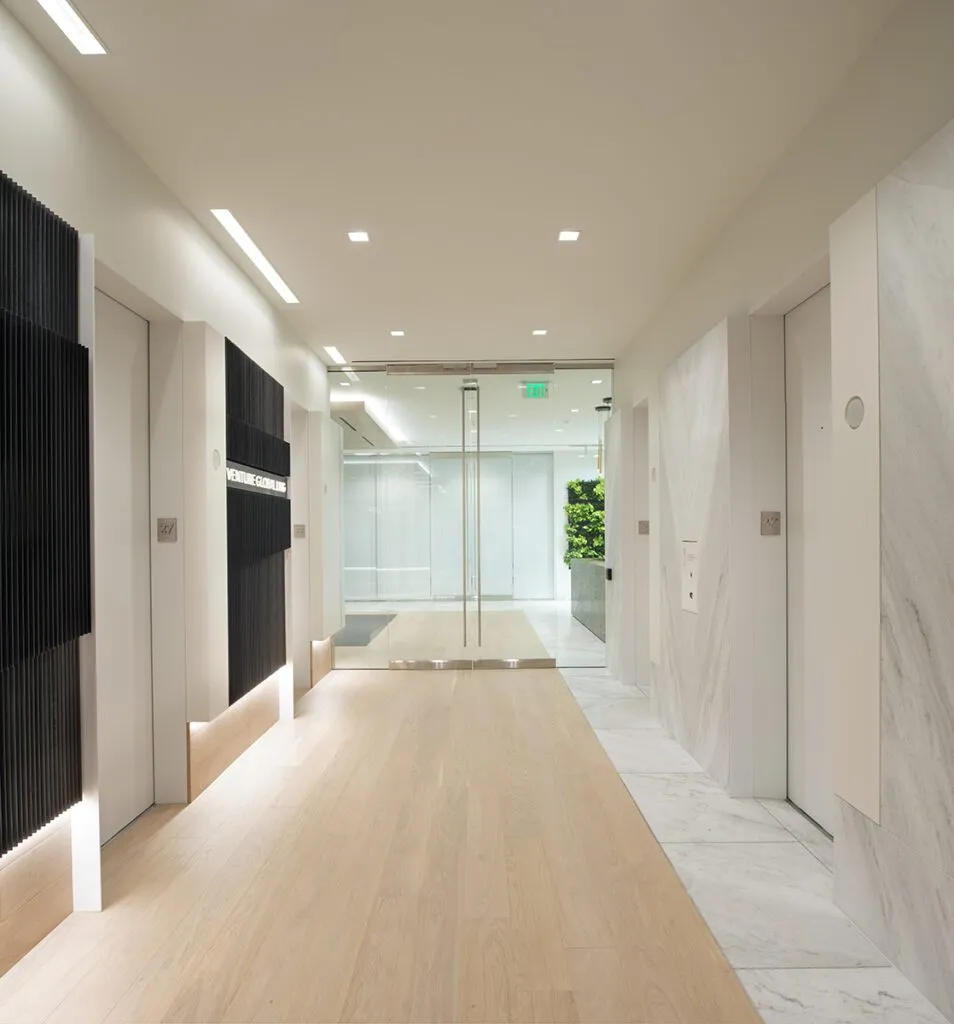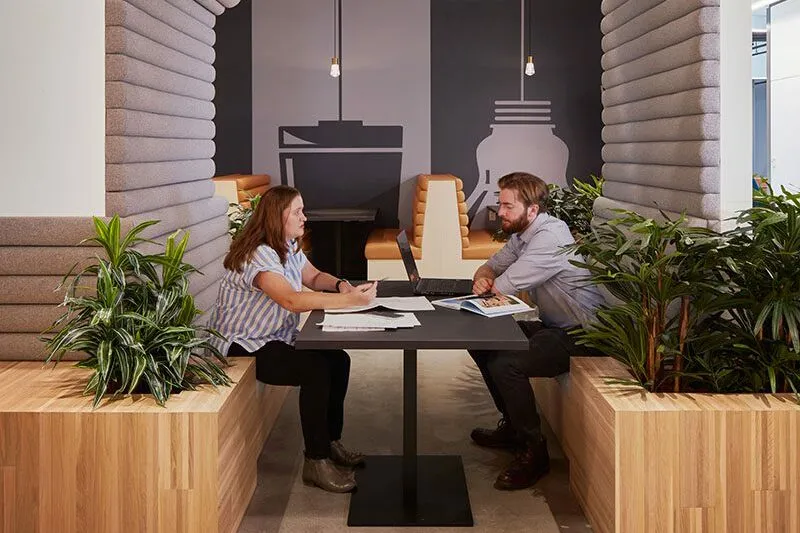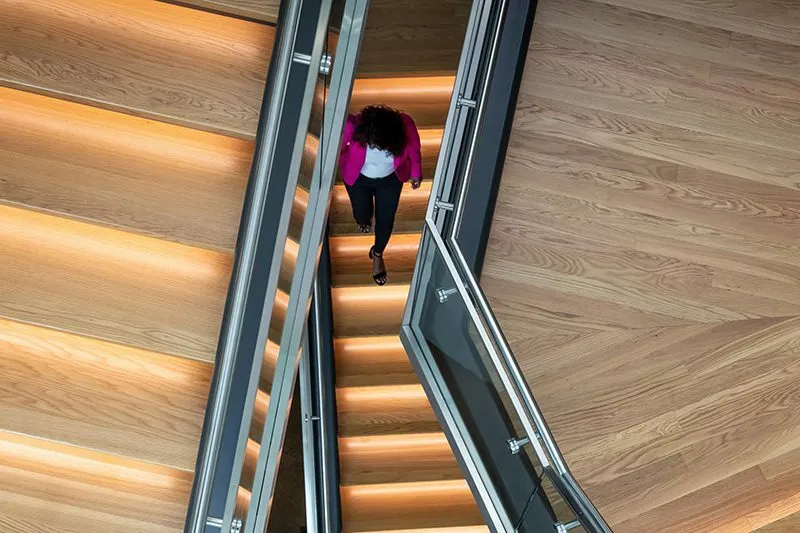
Finding a flooring material that fits a specific design palette visually is often the easiest part of the specification process. However, it’s more difficult to find one that fits the aesthetic of your design while also ensuring long-term durability. Prioritizing quality hardwood flooring is essential to ensure a stunning visual is supported by the structural integrity required for commercial use.
Understanding the technical factors behind material performance allows you to make specifications with total confidence. This article explores why experienced architects and designers rely on high-level manufacturing and finishing to protect their professional vision.
Precision Engineering
The longevity of quality hardwood flooring is often determined by how the material is structured to handle physical stress. High-quality planks are built with a focus on dimensional stability, ensuring that the wood remains flat and true even as a building’s internal environment changes. When wood is structured with this level of care, it acts as a reliable foundation rather than a temperamental design element.
A well-engineered floor possesses several key qualities that directly contribute to its long-term resilience:
- Dimensional Stability: High-quality planks are structured to resist the natural urge of wood to expand or contract. This prevents the edges from lifting or the center of the boards from cupping over time.
- Species Integrity: Proper manufacturing respects the natural density of the wood. Using species with the appropriate hardness ensures the floor can withstand the pressure of high heels and heavy equipment without bruising.
- Tight Milling: When boards fit together with absolute accuracy, the floor becomes a single, unified surface. This prevents individual planks from rubbing against each other, which reduces noise and structural fatigue.
- Surface Uniformity: Precision ensures there are no height variations between planks. This means the finish wears evenly and does not chip off at the edges of the boards.
Cohesive Transitions
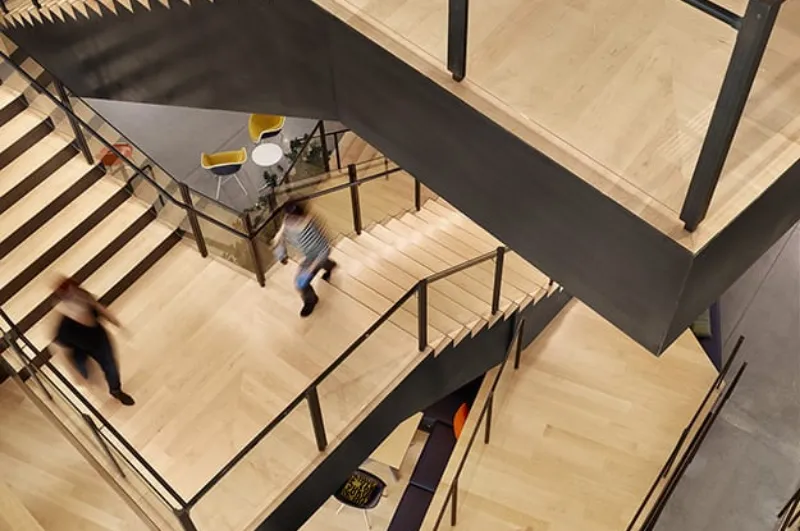
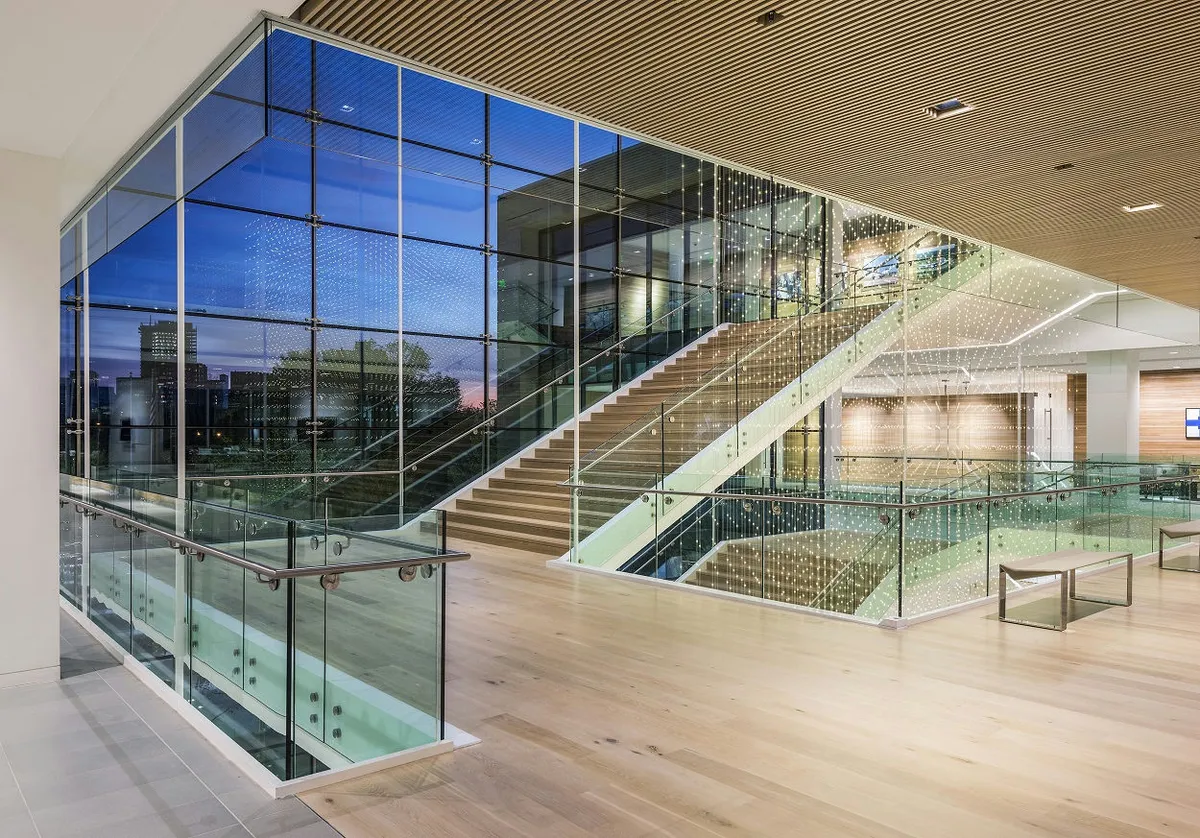
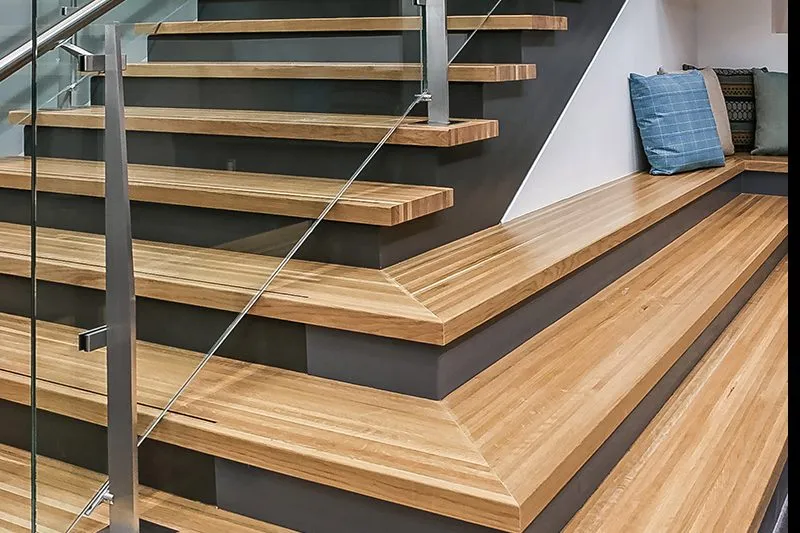
Achieving a high-end look in a commercial project often depends on the seamless integration of different architectural elements. Quality hardwood flooring can achieve this visual continuity when the material is part of a broader system of matching components. When a floor is designed to work in tandem with stairs and walls, it eliminates the jarring disconnect caused by mismatched wood species or finishes.

This holistic approach can provide functional benefits that extend the life of the interior, particularly:
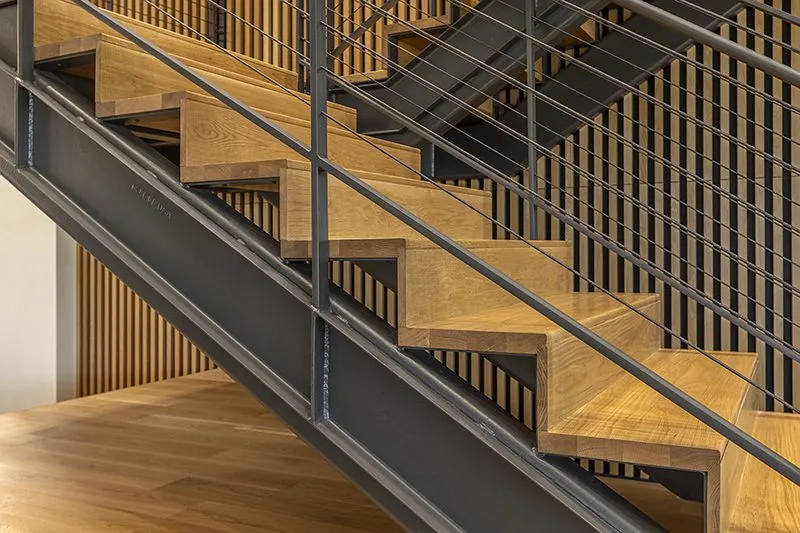
- Material Continuity: Using components that share the same structural properties ensures that the entire surface reacts identically to humidity. This prevents gapping or splitting at the critical points where floors meet staircases.
- Structural Integration: Coordinating the floor with matching treads and nosings creates a flush surface. Eliminating uneven heights reduces the physical impact on the wood edges, which prevents chipping in high-traffic transition zones.
- Unified Maintenance: When floors and trim share the same finish and density, they wear at the same rate. This allows for a consistent maintenance schedule and prevents certain areas from looking more worn than others.
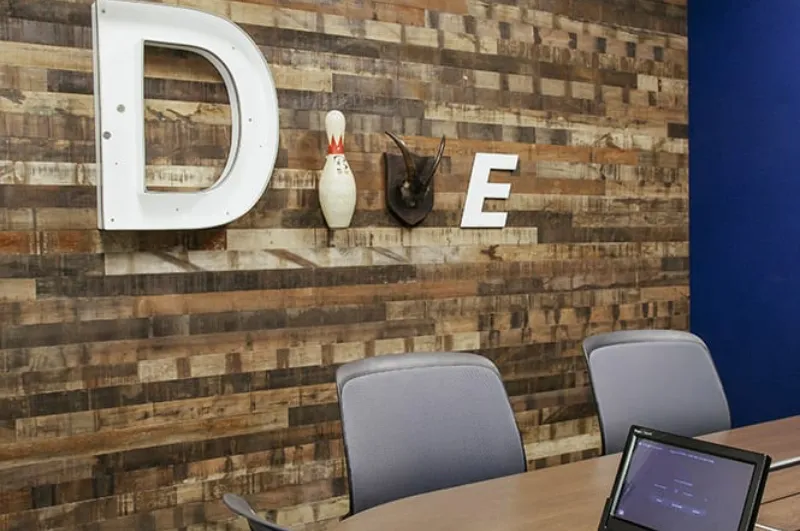
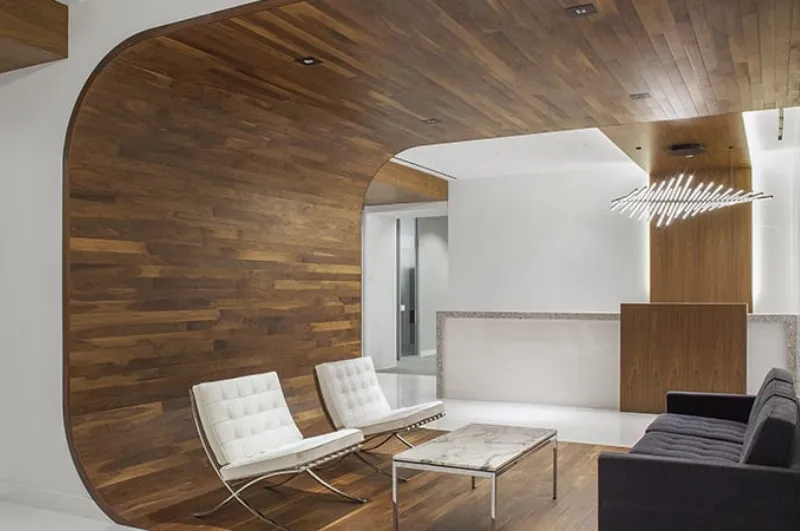
Selecting matching components from the start eliminates the logistical burden of sourcing from multiple vendors. Woodwright provides a complete package of matching treads, nosings, and trim pieces to ensure every transition is perfectly coordinated. This ability to match flooring with wall and ceiling plank applications creates a cohesive and high-performance environment.
Commercial-Grade Finishes
The surface of quality hardwood flooring acts as the primary defense against the daily rigors of a commercial environment. A professional-grade finish is not merely a topcoat; it is a high-performance barrier that is chemically bonded to the wood to prevent damage. This specialized coating ensures the floor remains resilient against spills, abrasions, and the constant friction of foot traffic.
This can offer several critical advantages for the long-term durability of your design, including:
- Increased Abrasion Resistance: Commercial finishes are specifically formulated with wear-resistant additives. These layers protect the wood from the micro-scratches caused by dirt and grit, which are the leading causes of a dull appearance.
- Chemical and Moisture Protection: High-quality sealants prevent liquids from penetrating the grain. This protection is vital in hospitality or corporate settings where spills could otherwise lead to staining or structural swelling.
- UV Stability: Advanced coatings include stabilizers that protect the wood from sunlight-induced discoloration. This ensures that the floor maintains its original color even in spaces with expansive floor-to-ceiling windows.
- Factory-Applied Consistency: Applying the finish in a controlled environment ensures a perfectly uniform layer. This eliminates the risk of onsite debris contamination and ensures every plank has an identical level of protection.
Customization Without Compromise
Designers often feel they must choose between a unique aesthetic and the proven reliability of quality hardwood flooring. However, high-end manufacturing allows for creative freedom without sacrificing the structural integrity required for a commercial project.

Most hardwood flooring allow for customization so you can choose complex patterns and unique colors that match the look of your project. This, while still prioritizing performance, can offer advantages such as:
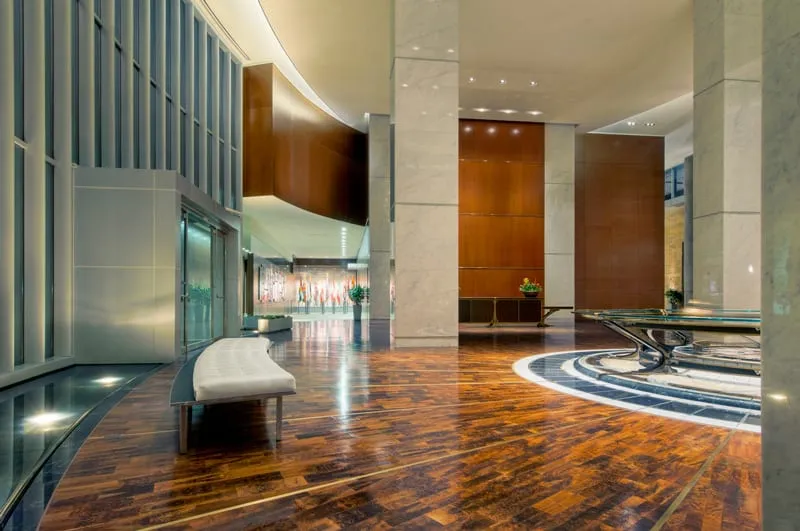
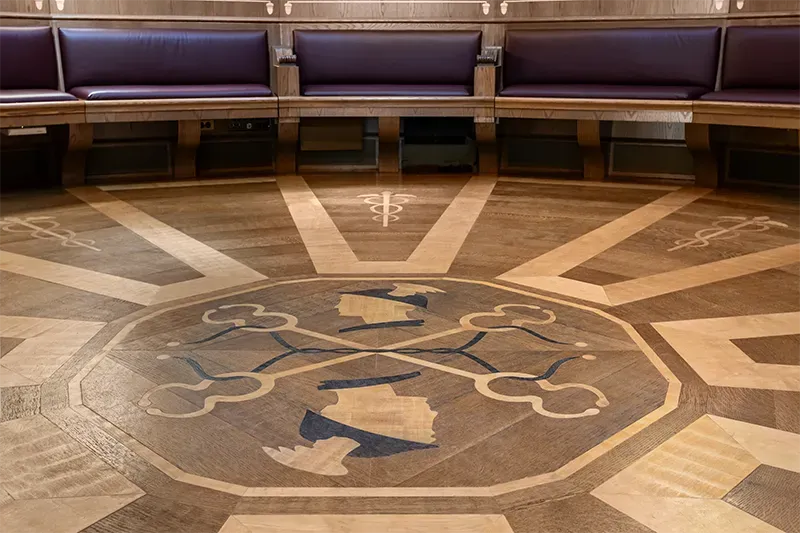
- Pattern Versatility: Traditional and contemporary parquet patterns can be engineered with the same precision as standard planks. This allows for intricate designs that still handle the heavy point-loading of a busy lobby or corridor.
- Color Precision: Custom manufacturing ensures that a specific design palette is achieved through deep-penetrating stains and pigments. This prevents the color from wearing away in high-traffic paths where superficial stains would fail.
- Flexible Sizing: Bespoke milling allows for specific plank widths and lengths that fit the scale of a room. This reduces the number of joints in a large space, creating a cleaner look and a more stable surface.
Life-Cycle Value
Investing in quality hardwood flooring is a financial strategy that prioritizes long-term return on investment over low initial costs. While cheaper materials often lead to frequent repairs or premature replacement, a premium floor remains a permanent asset rather than a recurring liability. This proactive selection ensures that the design maintains its value through decades of heavy use.
High-quality materials offer significant financial benefits, including extended sanding cycles and reduced maintenance expenses over the building's lifespan. Choosing a resilient surface eliminates the massive disruption and cost associated with a full teardown.
Partner with a Quality Hardwood Flooring Provider
Selecting materials that balance aesthetics with structural integrity is the hallmark of a successful commercial design. Investing in quality hardwood flooring ensures your professional vision endures through years of heavy use without compromising performance.
Contact a consultant today to discuss how our project-specific manufacturing and matching components can provide a cohesive, durable solution for your next architectural specification.