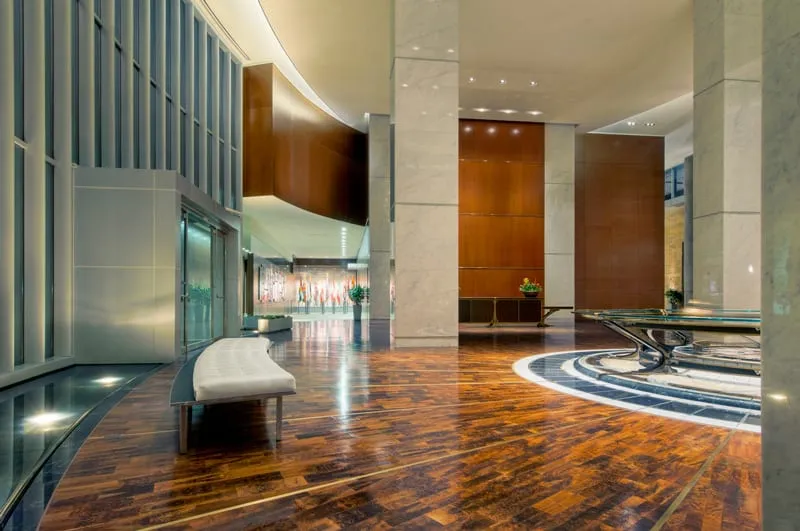
Designing a monumental entry is a delicate balancing act for any architect. You want the volume to feel expansive, but you don't want the space to feel cold or intimidating. Integrating monumental stairs is among the most effective ways to fill that void while maintaining a polished and structurally impressive aesthetic.
These structures do more than just connect floor levels. They act as functional sculptures that anchor the lobby and provide a clear sense of wayfinding. When you design with monumental stairs, you turn a vertical transition into the focal point of the entire project.
In this article, we’ll explore some strategies to help you leverage this architectural element to create a more cohesive and impactful commercial space.
Achieve a Monolithic Aesthetic Using Material Continuity
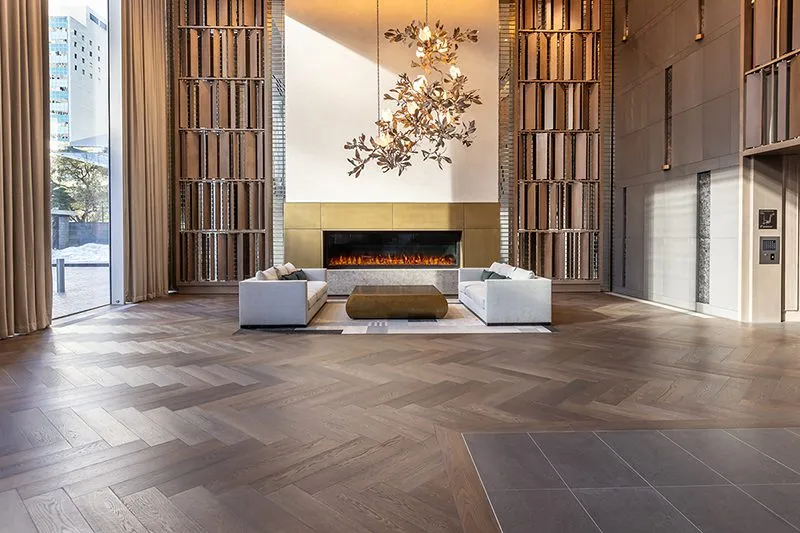
One of the biggest hurdles in large-scale interiors is material fragmentation. When the floor is one species, the treads are another, and the wall cladding comes from a separate vendor, the eye gets distracted by clashing transitions. To create a truly grand feel, you should treat your monumental stairs as a single, cohesive gesture by using the same wood species and custom prefinish across every horizontal and vertical plane.

There are several effective ways to apply this strategy to ensure a seamless look for your project:
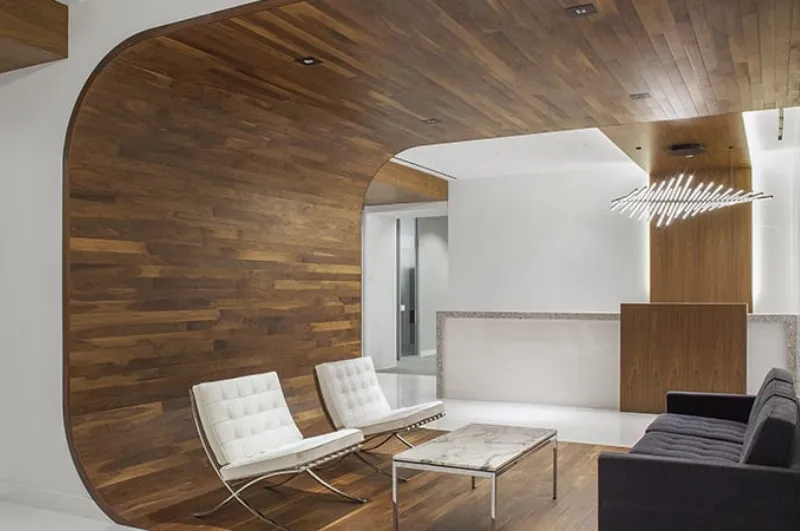
- Coordinated Surfacings: Specify tongue and groove flooring planks to wrap the walls or ceilings surrounding the staircase for a wrapped wood environment.
- Integrated Transitions: Use custom-milled nosing and transition strips that are finished alongside your treads to ensure zero color deviation.
- Matching Species: Select a consistent species like European Oak or American White Oak in Rift Sawn across all surfaces to maintain a unified grain pattern throughout the entry.
Soften the Structure with Biophilic Geometry
Large entryways often rely on heavy structural elements to support the weight of the design. While these materials provide necessary strength, they can make a commercial lobby feel more industrial than inviting. You can use monumental stairs to soften these hard lines by introducing the organic warmth and natural geometry of wood.
Integrating architectural woodwork into these large volumes creates a more approachable environment for occupants. Consider these strategies for incorporating biophilic elements into your stair design:
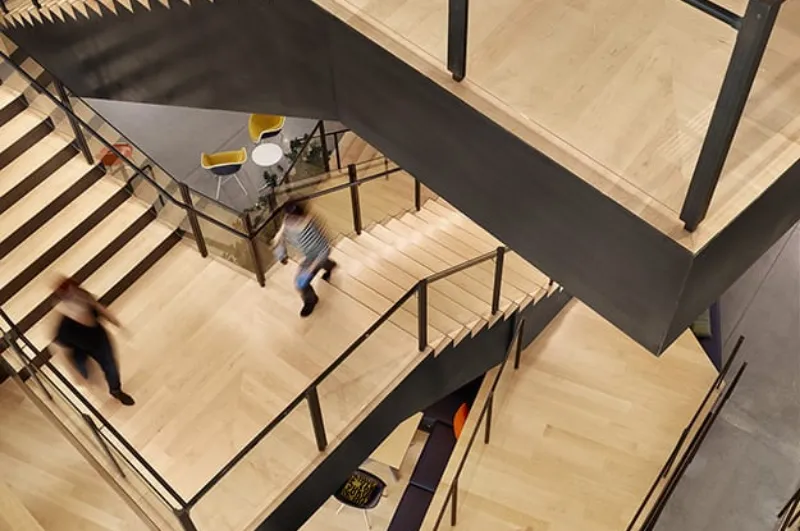
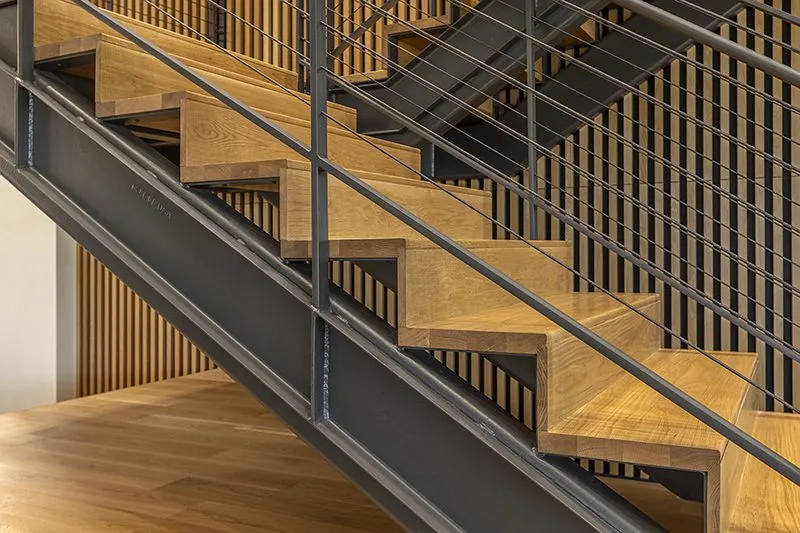
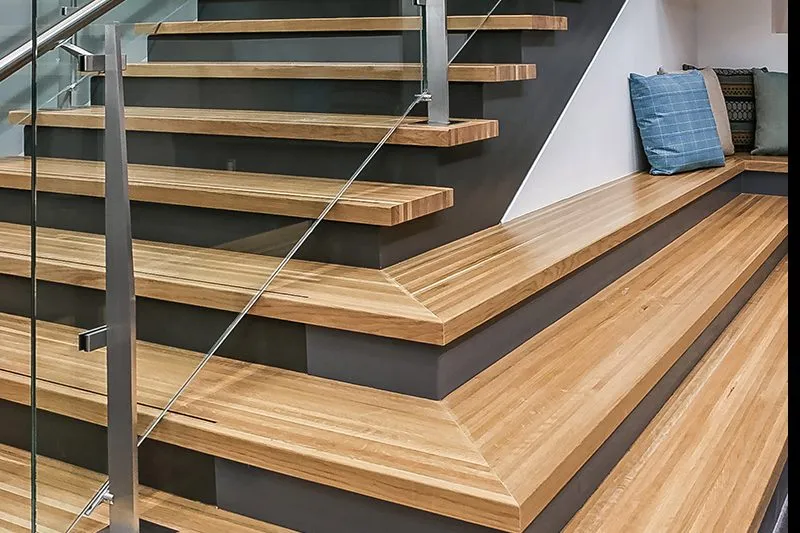
- Tread Thickness: Specify thick, high-quality engineered wood to provide a sense of grounding and permanent weight that glass or metal cannot replicate.
- Structural Wrapping: Use custom wood cladding to wrap steel stringers or concrete supports, hiding the industrial skeleton of the monumental stairs.
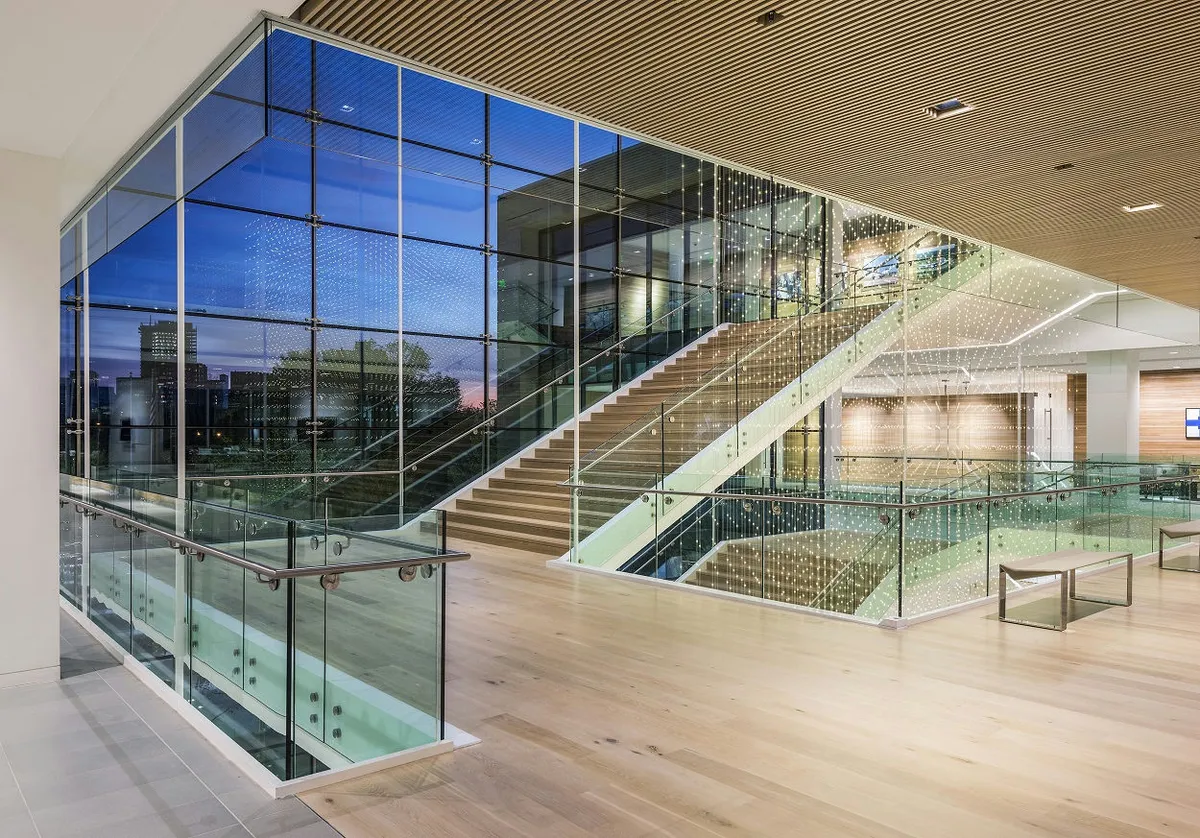
- Organic Contrast: Pair wood surfaces with glass railings to allow natural light to filter through the grain, highlighting the unique patterns of the wood.
By focusing on these natural details, you turn a structural necessity into an architectural feature that feels human-centric.
Integrate Lighting and Texture in Monumental Stairs
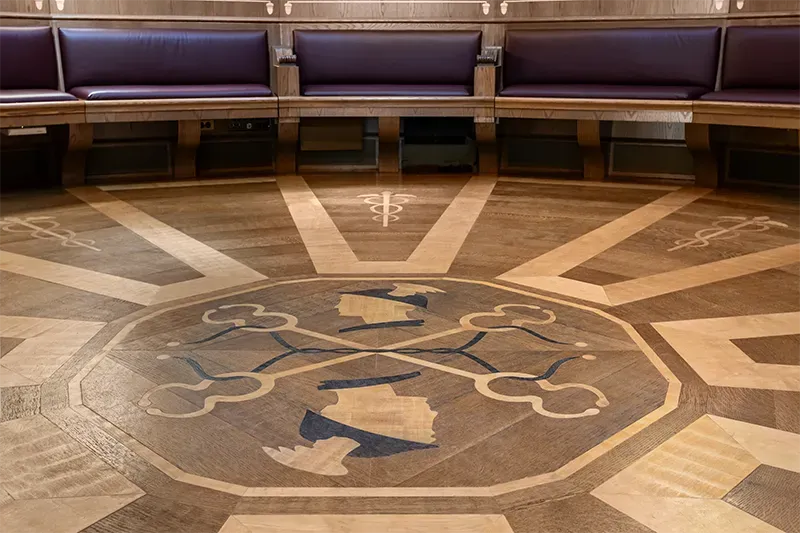
Entryways can be a great canvas for the interplay of shadow and light. To highlight the scale of your design, you can move away from standard overhead fixtures and integrate lighting and create textures directly into the wood components of your stairs. This can add a layer of depth and tactile interest that flat surfaces or paint simply cannot replicate.

Consider these methods for adding visual and practical impact to your project.
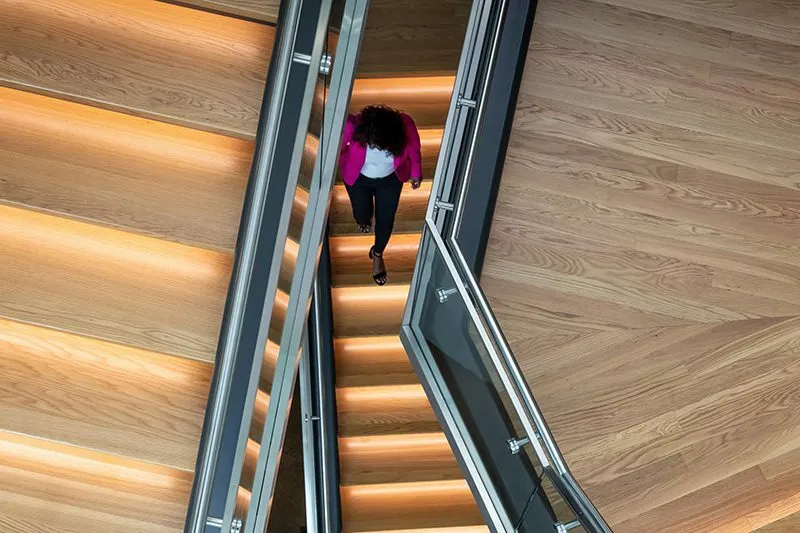
- Integrated LED Lighting: Recess lighting strips into the underside of the treads or along the stringers to provide a floating effect and improve user safety.
- Custom Laser and CNC Textures: Utilize precision machining to etch unique patterns or logos into the risers of the monumental stairs to catch low-angle light and reinforce branding.
- Mixed Grain Patterns: Contrast different cuts of the same species, such as pairing the straight lines of rift-sawn oak with more figured grain on the landings, to add subtle architectural texture.
By embedding these features during the manufacturing phase, you ensure the technology remains hidden while the architectural details shine.
Choose Materials to Control Acoustics
Large entryways and lobbies can easily become echo chambers where sound bounces off hard surfaces like glass and stone. While these materials are aesthetically pleasing, they often make a grand space feel noisy and uninviting for occupants. You can use stairs as a strategic tool to manage this sound by selecting materials that naturally dampen noise.
Wood is an excellent choice for balancing the acoustic profile of a high-volume area. Consider these strategies for using wood to manage sound in your next project:
- Softening Footfall: Specify dense wood species with high shock absorption, such as White Oak or Hickory / Pecan, to significantly dampen the clatter of footsteps on monumental stairs.
- Integrated Ceiling Planks: Use matching wood tongue and groove planks on the soffits or ceilings directly above the staircase to trap rising sound waves and prevent them from reflecting back down.
Modulate Scale Using Fine-Grained Details
In a massive lobby, it is easy for a design to feel disconnected from the people moving through it. While the primary goal of monumental stairs is to make a grand architectural statement, the success of the project often relies on the details that users notice at a human scale. By focusing on fine-grained elements, you make a large structure feel approachable and high-end.

Intricate woodwork provides a tactile experience that balances the sheer size of the installation. Consider these ways to use detail to modulate the scale of your next project:
- Custom Nosing Profiles: Specify unique edge details for your treads, such as a subtle bullnose or a sharp contemporary miter, to add visual interest to the monumental stairs.
- Intricate Joinery: Highlight the craftsmanship of the stair by using visible joinery or contrasting wood plugs that draw the eye toward the precision of the build.
- Grain Direction: Play with the orientation of the wood grain on landings and treads to create rhythmic patterns that break up large, flat surfaces into manageable visual segments.
These small touches provide micro-moments of discovery for visitors as they interact with the space.
Create Entryways that Make an Impact
A well-executed staircase is more than just a transition between floors; it is the heartbeat of a large-scale interior. By prioritizing material continuity, acoustic control, and human-centric details, you ensure your design delivers a lasting architectural impact. These strategies transform a structural necessity into a cohesive, intentional masterpiece that defines the entire occupant experience.
Ready to elevate your next project? Schedule a design consultation with us at Woodwright today to start crafting your custom wood package.