When to Specify Maple Stair Treads for Clean, Contemporary Stair Designs

​Maple is a beautiful lumber that works incredibly well across a multitude of projects, ranging from custom furniture to expansive flooring. With its clean texture and bright color, this timber easily spruces up an interior while introducing a refined, modern character. This quiet aesthetic also makes it a brilliant choice for Maple stair treads in contemporary designs.

In this article, we’ll outline the exact characteristics that make Maple a good option for stair designs. We’ll also dive into the specific design layouts and project circumstances where architects should specify these stair treads.

What Makes Maple Stair Treads Unique

While many designers immediately default to Oak for structural steps, opting for Maple stair treads introduces a distinct set of material advantages. This timber brings a crisp, tailored look to vertical circulation paths that standard open-grained woods simply cannot duplicate.

Maple possesses a unique structural anatomy that directly impacts how it behaves under daily foot traffic and how it reads visually in a large space. Choosing Maple stair treads means selecting a material defined by a few standout performance characteristics:

  • Exceptional Density. With a Janka hardness rating of 1450, this wood is physically harder than standard White Oak, giving it massive resistance to deep dents.
  • High Abrasion Resistance. The tight grain shrugs off heavy scuffing, which is why the same material is the gold standard for grueling environments like gymnasiums and bowling alleys.
  • Ultra-Smooth Texture. The closed-grain anatomy means the surface remains perfectly sleek, completely missing the deep, porous valleys common in open-grain woods.
  • Uniform Creamy White Color. The sapwood delivers a bright, consistent canvas that feels clean and neutral rather than rustic or busy.

Even with these performance benefits, this specific lumber does come with a few strict design boundaries. The ultra-dense, closed grain means Maple stair treads do not accept pigmented stains easily, which can lead to blotchiness and ultimately impact long-term wearability if forced into a dark color palette. Additionally, this wood ambers quickly when subjected to constant natural light, meaning you need to plan carefully around spaces with heavy, direct UV exposure.

Specifying Maple Stair Treads for Contemporary Designs

Contemporary architecture depends heavily on clean lines, crisp spatial transitions, and materials that can perform beautifully under scrutiny. Specifying Maple stair treads allows you to capture that refined aesthetic while leaning on a highly durable substrate.

Understanding exactly when and where to integrate these wood stair treads ensures that your design intent aligns perfectly with the physical realities of the space. Let’s break down the primary circumstances, design concepts, and layout scenarios where this timber truly takes centerstage.

Achieving Minimalist and Scandinavian Aesthetics

Minimalist design typically demands elements that create a clean, crisp canvas. The uniform color of Maple stair treads delivers exactly that, allowing a vertical installation to blend seamlessly into neutral environments without distracting, heavy grain patterns.

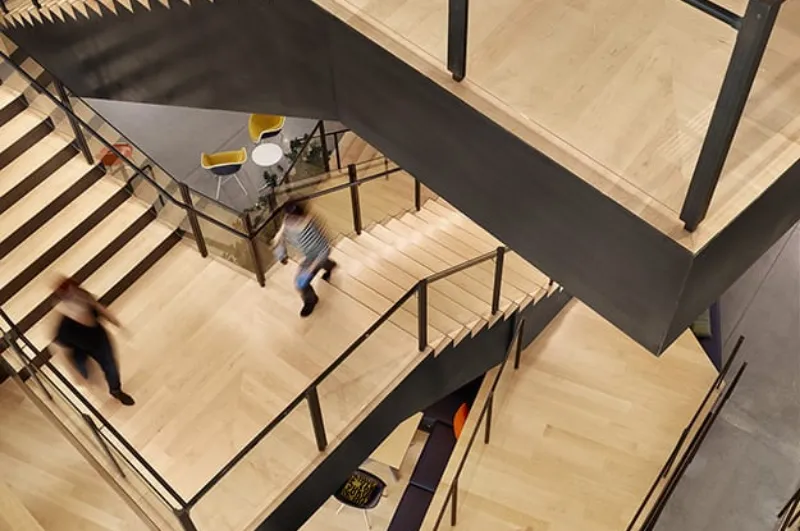
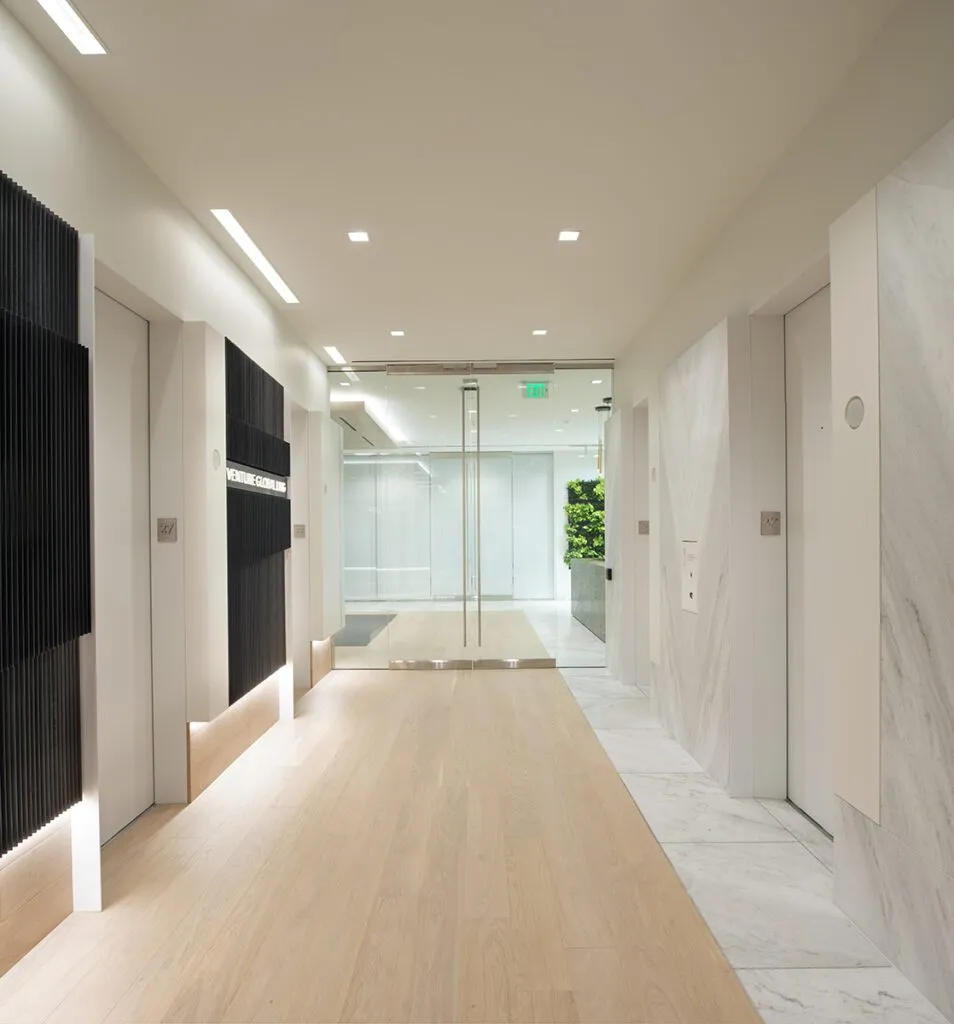
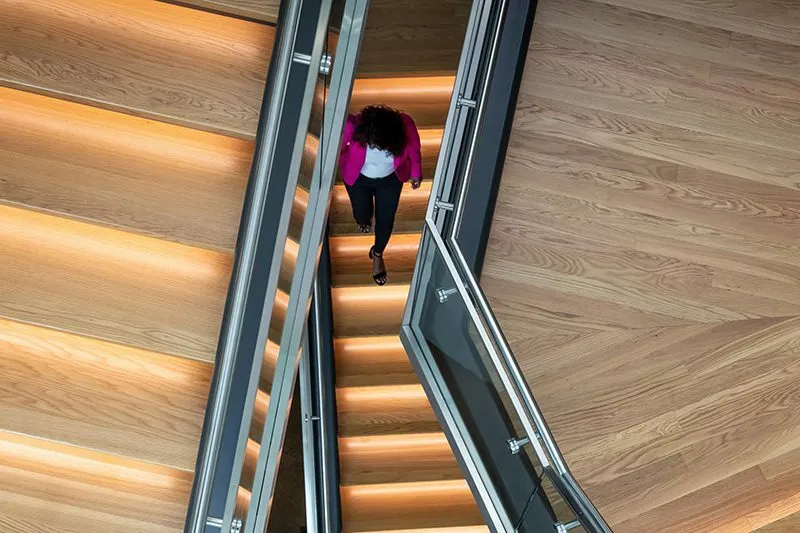
This photo features an office hallway with a minimalist design
Devon Energy at Oklahoma City | Quarter Sawn Maple Flooring and Stairs

This pristine palette pairs beautifully with the raw textures of polished concrete, glass guardrails, and crisp plaster walls. Here are a few ways to integrate Maple stair treads into this specific design layout:

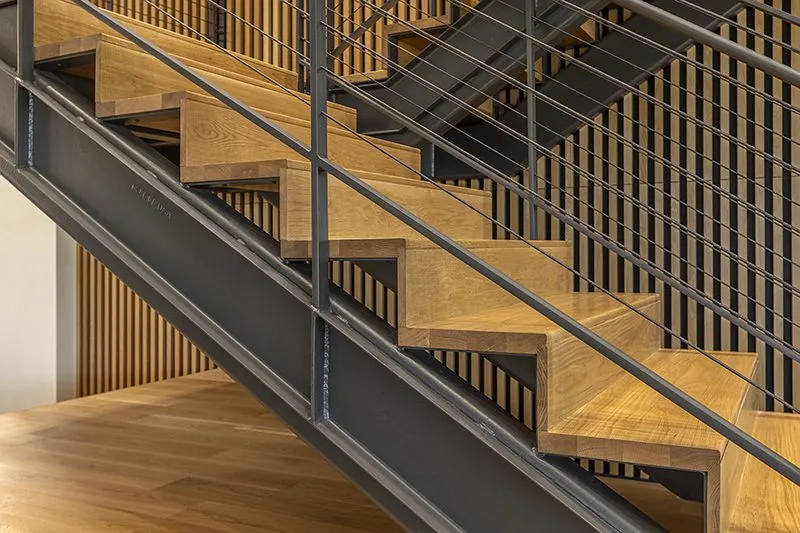
  • Floating Cantonment Flights. Use them as thick, independent floating steps anchored into a hidden steel stringer to maximize light reflectance and maintain an airy, open feel.
  • Monolithic Block Steps. Mill them into sharp, mitered box profiles to create a continuous, sculptural zigzag appearance that minimizes visible joints.
  • Concealed LED Under-Lighting. Route precise channels on the underside of the treads to bounce soft, ambient illumination uniformly down without casting jagged open-grain shadows.

​Creating Cohesive Multi-Surface Millwork Integration

Achieving a truly modern space requires a seamless transition between different structural surfaces to prevent visual fragmentation. Specifying made-to-order Maple stair treads allows you to tie the vertical circulation directly into the surrounding architectural elements. This approach ensures that your wood elements feel like an interconnected system rather than a series of mismatched components.

Here are a few ways to implement this seamless multi-surface integration across your project:

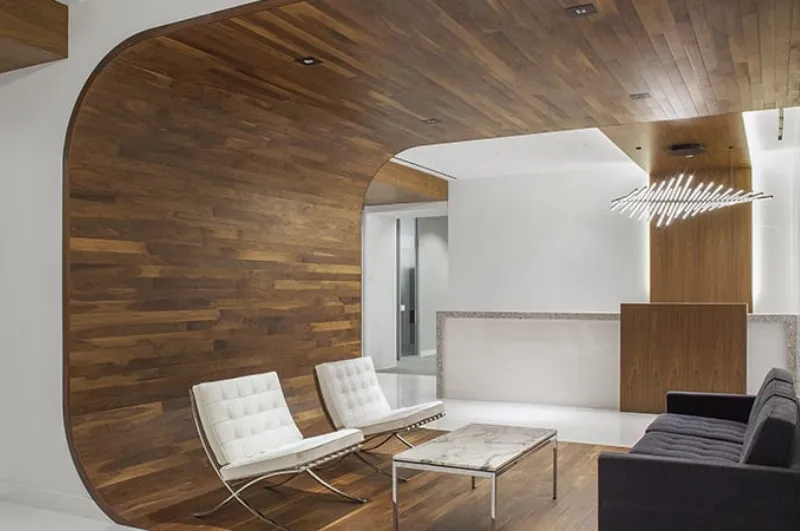
  • Continuous Wall-to-Tread Paneling. Match the species and grade of the steps with vertical tongue-and-groove wall planks to make the staircase look like it is emerging directly from the architecture.
  • Monolithic Flush Flooring Transitions. Align the thickness and tone of the top landing with adjacent wide-plank flooring to eliminate clumsy transition strips and maintain a flat, minimalist plane.
  • Integrated Handrails and Guard Elements. Coordinate the handrails and structural shoe molding with the exact grain profile of the treads to deliver a unified, singular material palette.

Ensuring Durability for High-Traffic Spaces

While aesthetics are critical, contemporary public spaces require materials that can handle relentless foot traffic without breaking down. The massive density and hardness of Maple stair treads make them an exceptional engineered solution for demanding projects. This rugged timber easily hits the sweet spot where commercial durability requirements meet clean, modern design.

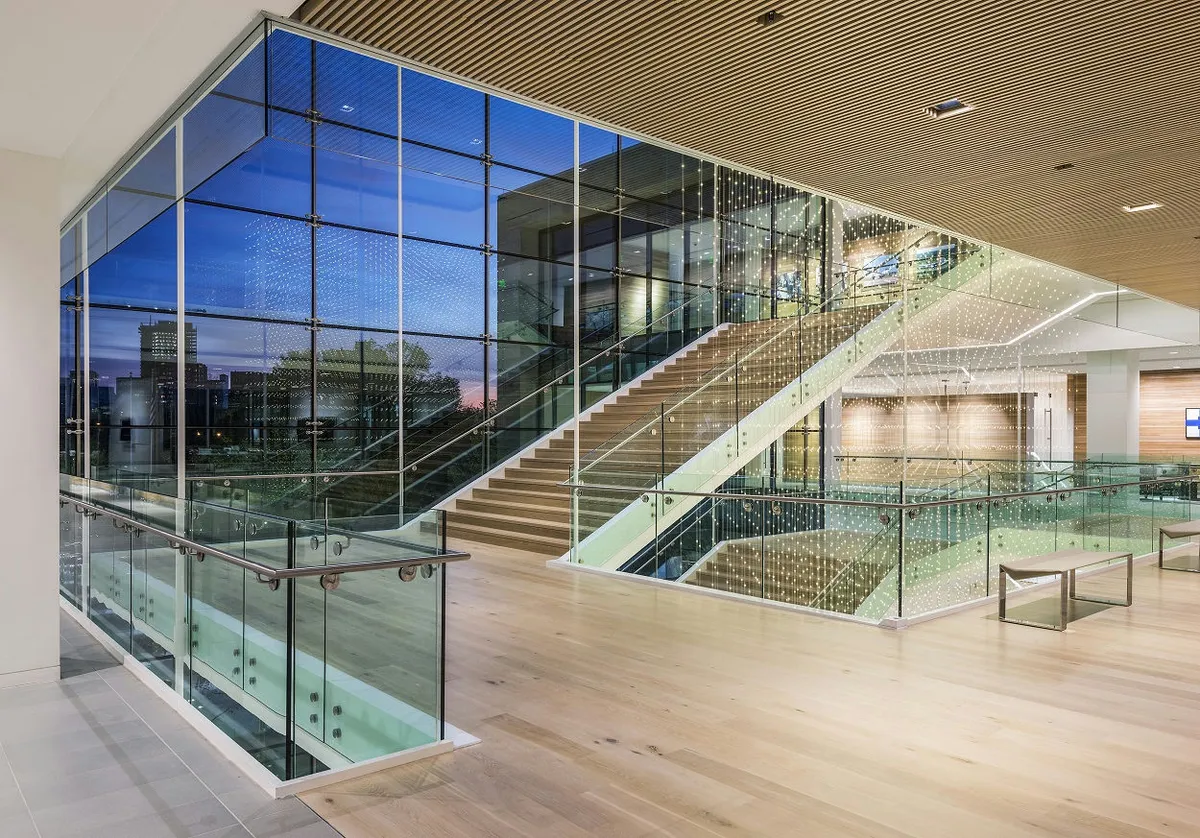
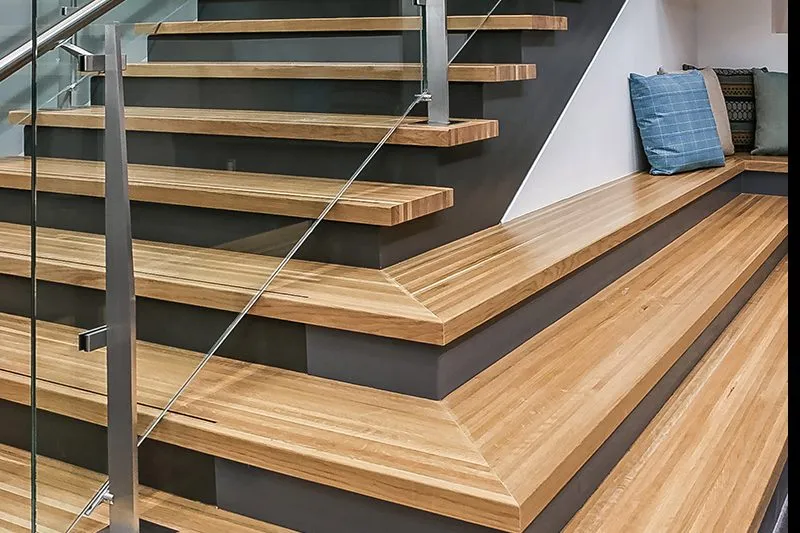
This photo features a school hall with natural maple stair treads
Cleveland ISD at Cleveland, TX | Natural Maple Stairs and Bench Seating

Here are a few high-exposure environments where specifying this dense wood works beautifully:

  • Corporate Headquarter Atriums. Excellent for central, multi-level circulation stairs where hundreds of employees move between floors daily, keeping the steps free from ugly heel dents.
  • High-End Retail Showrooms. Ideal for flagship stores where heavy rolling loads and constant shopping traffic require an ultra-durable substrate that resists severe scuffing.
  • Institutional Learning Centers. Perfect for university libraries and museum staircases where the leading edge of the step must resist chipping and splintering over decades of use.

Bring Cohesive Material Design to Your Next Project

Maple effortlessly solves the contemporary design challenge by blending structural density with pristine, low-grain minimalism. As you map out your next modern space, consider us at Woodwright your ideal manufacturing partner. We offer beautifully coordinated, made-to-order Maple stair treads, matching wide-plank flooring, and architectural wall systems built to commercial performance standards. Connect with us and find your representative today to secure physical material samples for your next project.